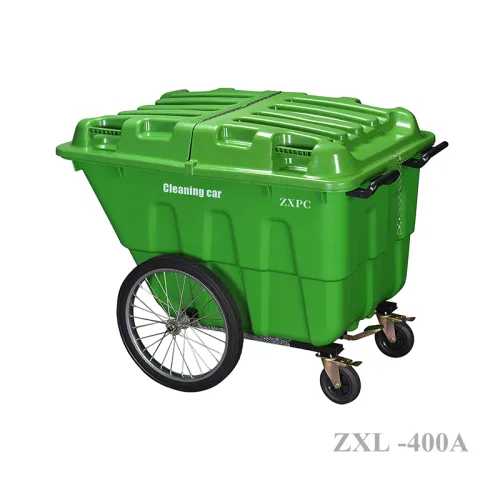
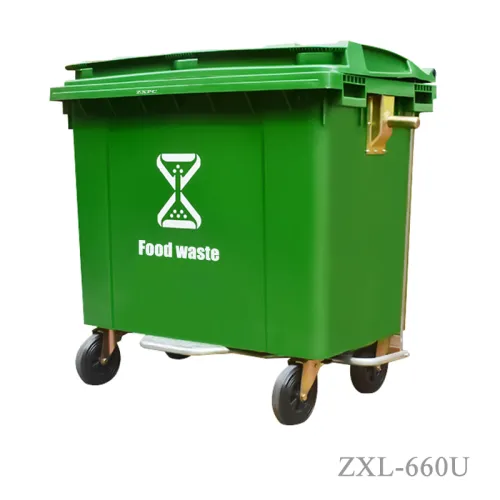
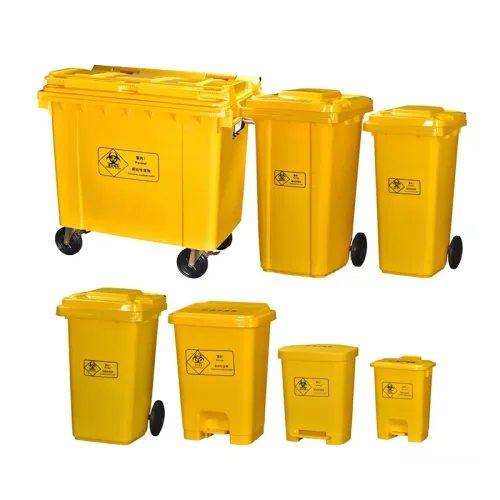
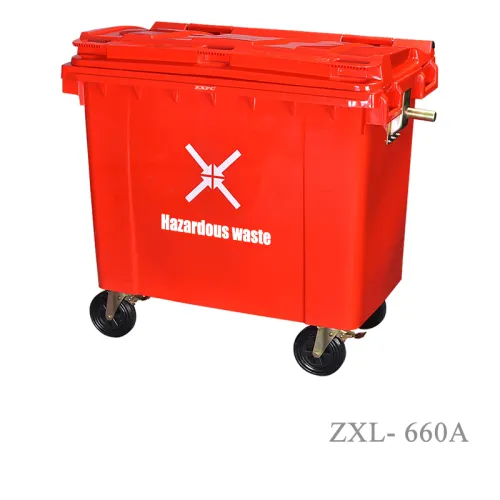
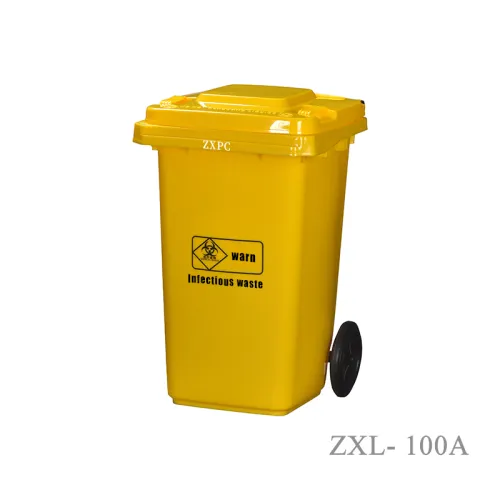
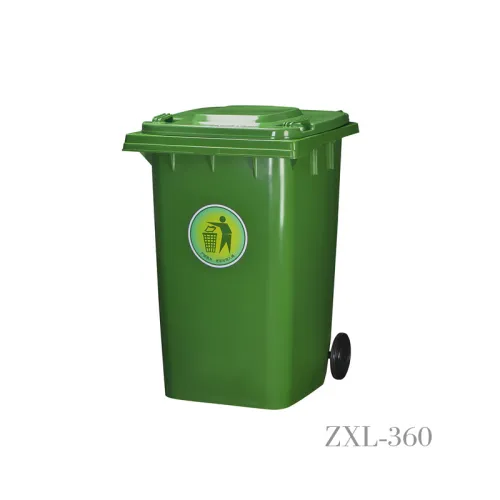
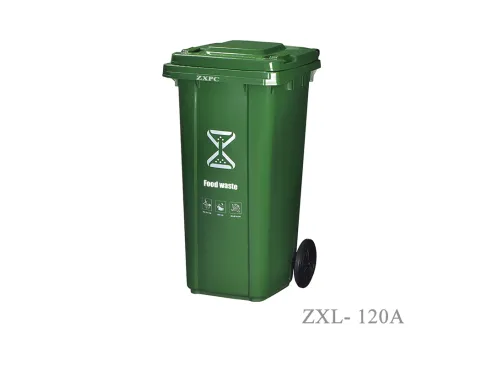
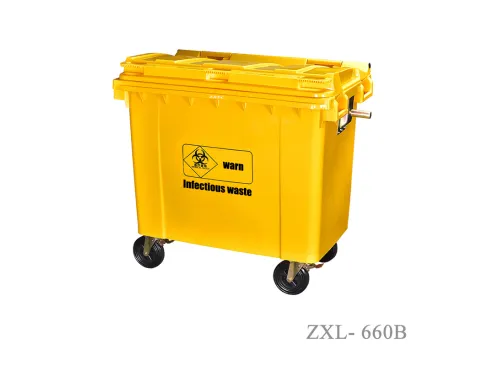
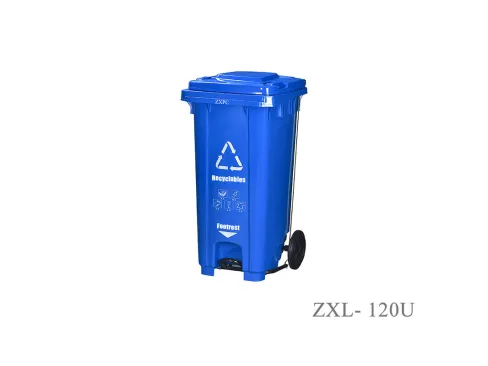
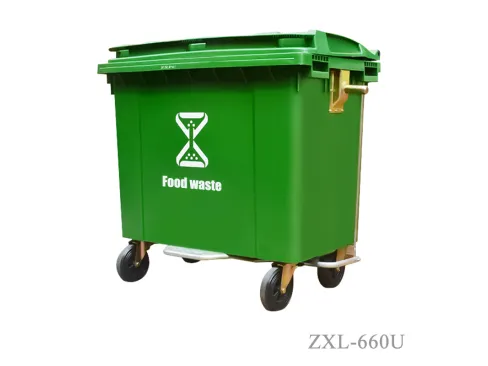
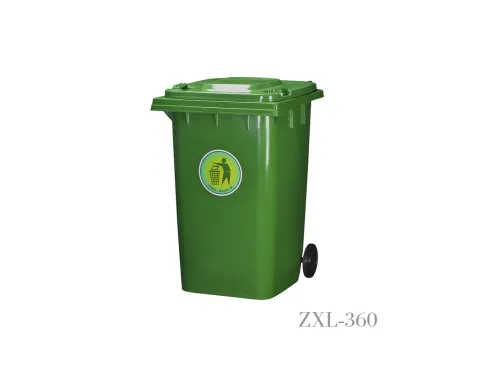
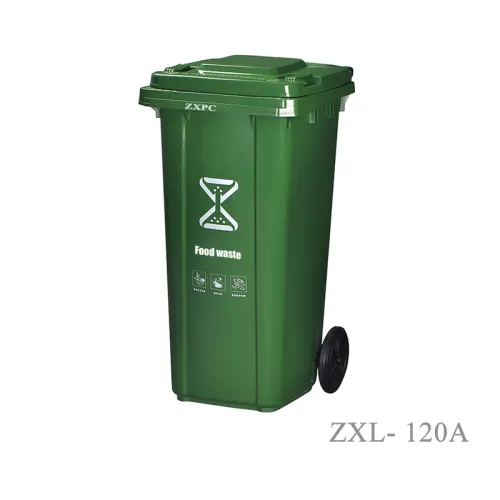
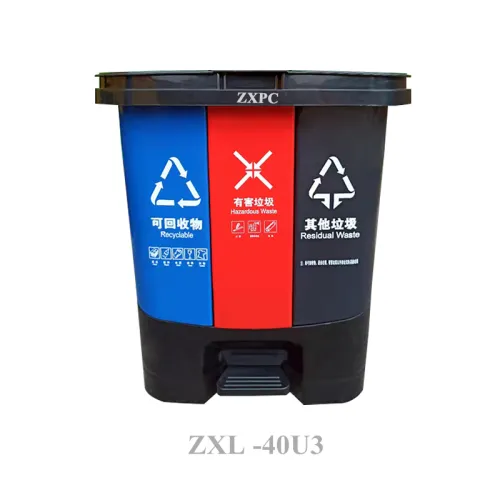
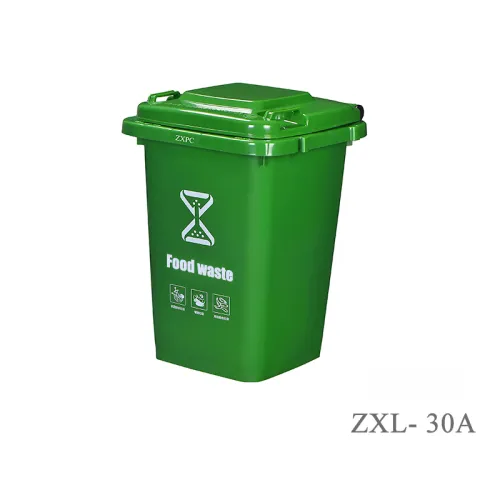
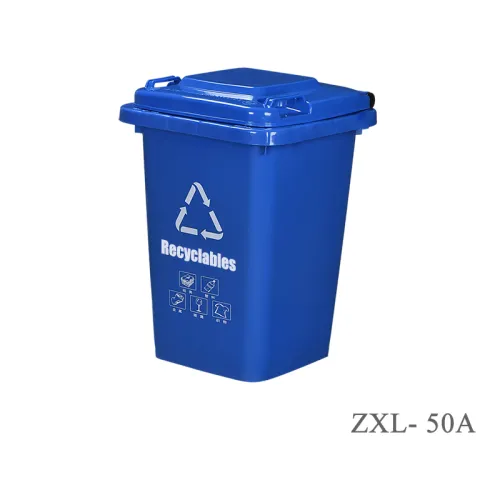
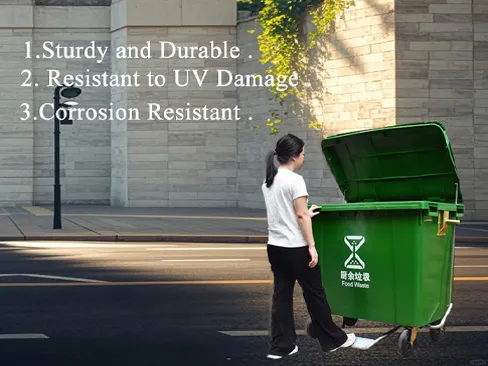
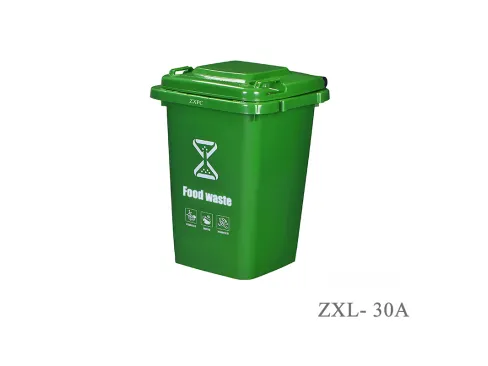
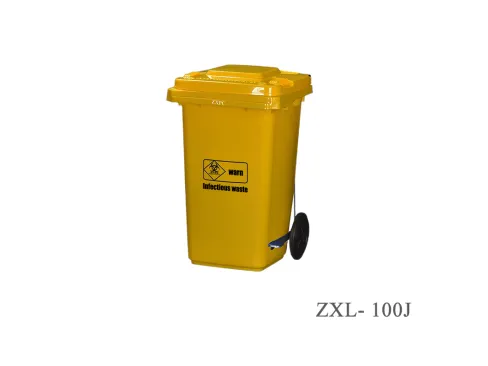
The quality of the mold used in producing Mobile Wheelie Bins is a critical factor that directly correlates with their longevity and performance. If I were to pinpoint a primary issue that could lead to premature failure, it would undeniably be inadequate mold quality. Poorly manufactured molds can lead to bulging, cracking, and overall structural weaknesses in Mobile Wheelie Bins, resulting in compromised service life and increased operational costs. For businesses that rely on these bins for waste management, neglecting mold quality can translate to significant investments in replacements and repairs, with a cascading impact on service delivery and customer satisfaction.
Understanding the causes behind inadequate Mobile Wheelie Bin mold quality is essential. Factors such as substandard materials, improper manufacturing processes, and lack of precise quality control measures—like adherence to the ASTM standards—can result in defects. For instance, molds created with inferior resin mixtures or those that have not undergone stringent quality checks can yield bins susceptible to damage, leading to additional costs down the line. It’s critical to recognize that a mere oversight in the mold quality can initiate a domino effect that jeopardizes not just the bins’ structural integrity, but also the reputations of the businesses using them.
The impact of inferior mold quality extends beyond individual businesses; it reverberates through the entire industry. In sectors where Mobile Wheelie Bins are integral to logistics and municipal services, subpar products can lead to inefficiencies, increased waste management costs, and dissatisfied end-users. I’ve seen cases where suppliers faced backlash not only from clients but also from regulatory bodies due to consistent complaints about product failure. This not only strains financial resources but also damages brand reputation in a competitive market.
Recent data highlights the necessity for adherence to industry standards. Companies that have implemented rigorous mold quality inspections—down to a precision of 0.01mm—report a significant decrease in product returns, with studies exhibiting a 40% reduction in warranty claims after adopting thorough inspection practices. A case study of ZXPC, a leading manufacturer in mobile waste solutions, showcases how switching to premium mold materials as per DIN standards improved their product durability dramatically, reflecting in customer loyalty and market share growth.
Ignoring these issues can yield serious consequences. A lack of attention to Mobile Wheelie Bin mold quality can facilitate operational hiccups, leading to longer downtime and escalated replacement costs. Furthermore, in an era where sustainability is paramount, failing bins contribute to increased waste—an ironic twist for a product meant to manage refuse. As businesses pivot and adapt to changing consumer expectations and sustainability demands, overlooking mold quality becomes a glaring risk that they can ill afford.
In conclusion, the quality of Mobile Wheelie Bin molds profoundly affects service life and operational efficacy. I urge you to reassess your current practices concerning mold manufacturing. Investing in high-quality molds ensures longevity, maximizes operational efficiency, and favors sustainable practices. Don’t wait for the consequences to manifest—make the proactive choice today for a more robust future.