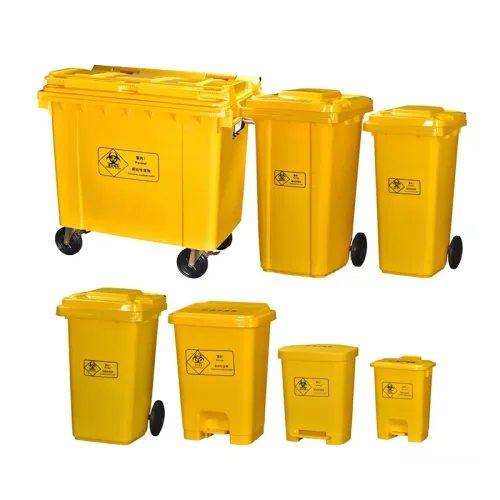
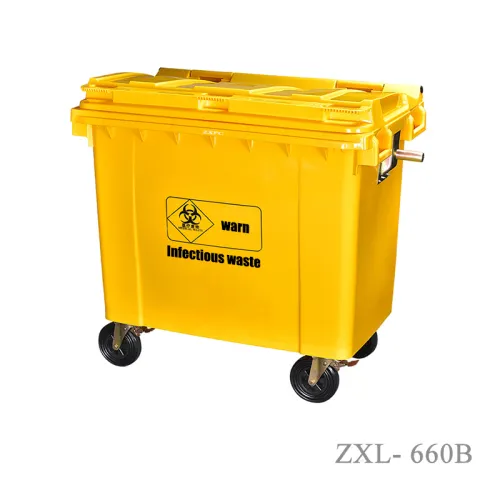
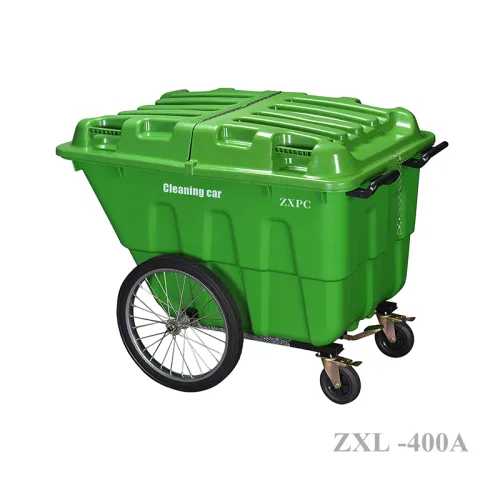
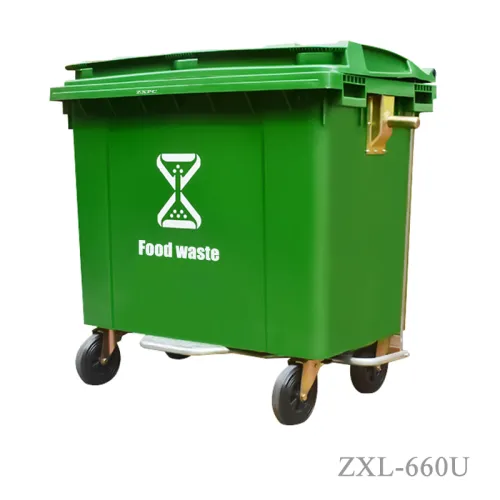
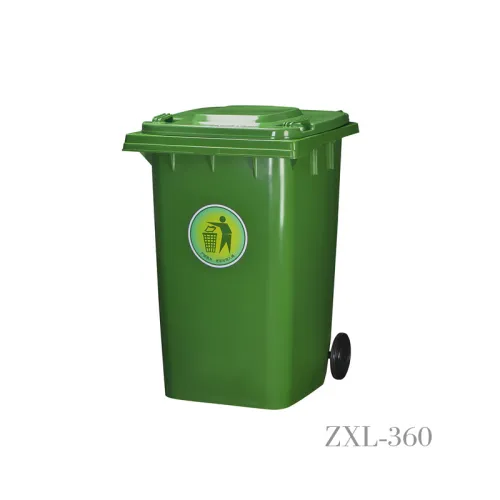
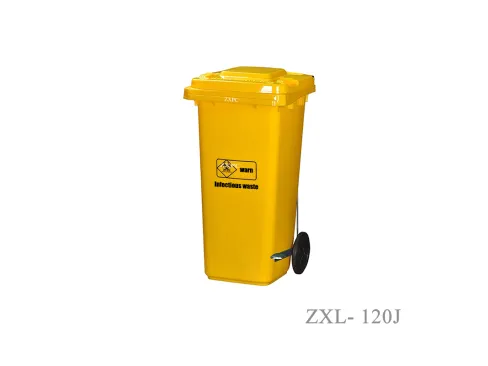
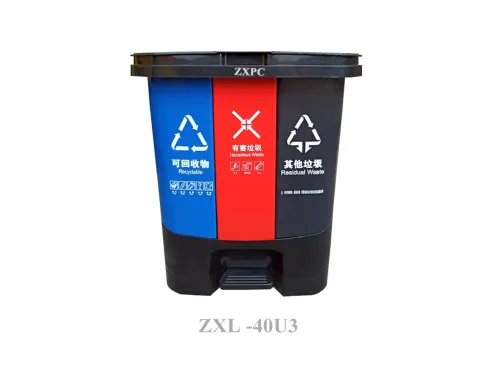
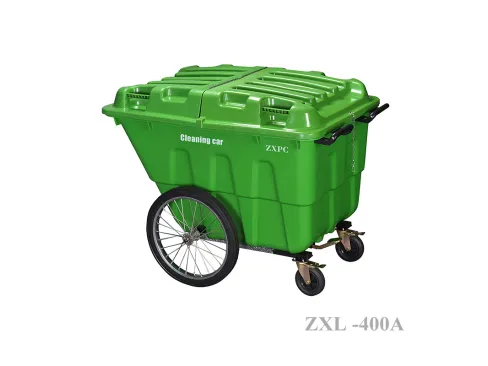
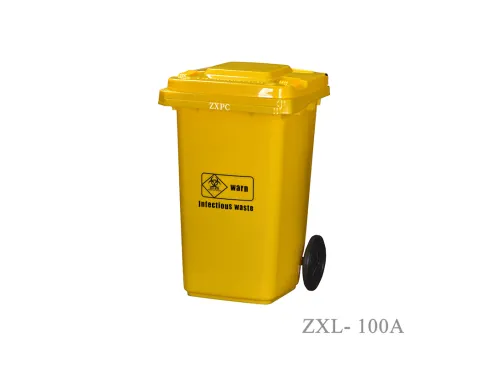
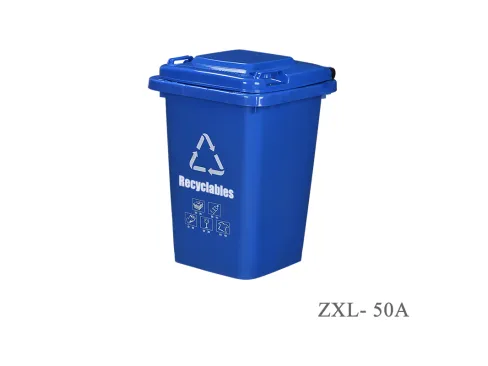
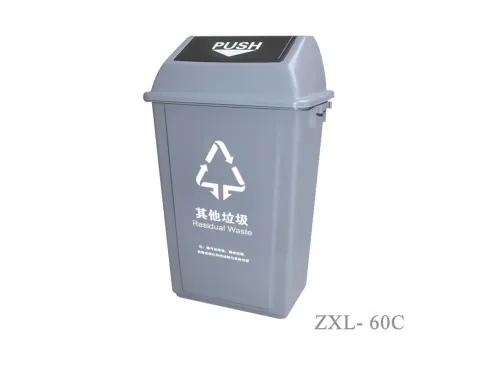
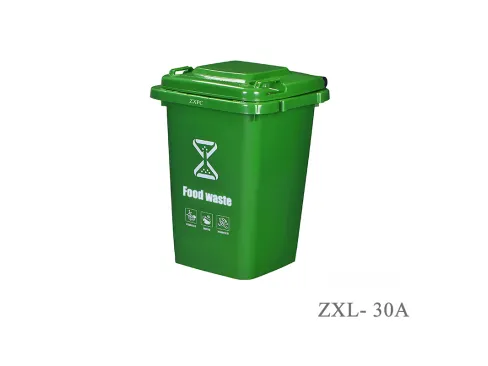
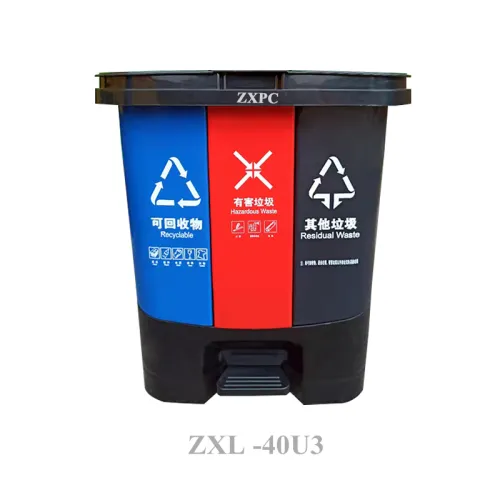
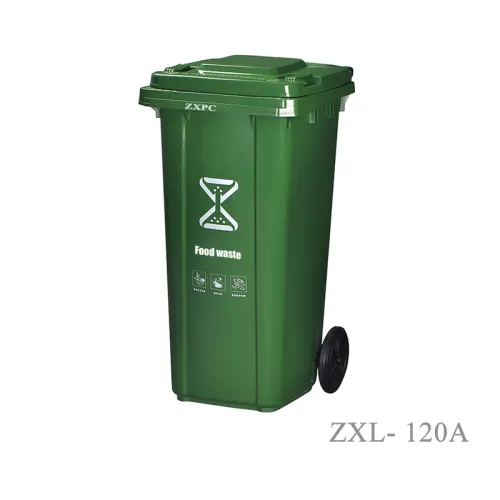
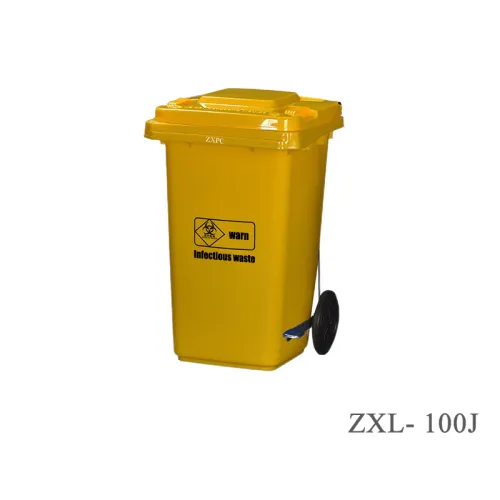
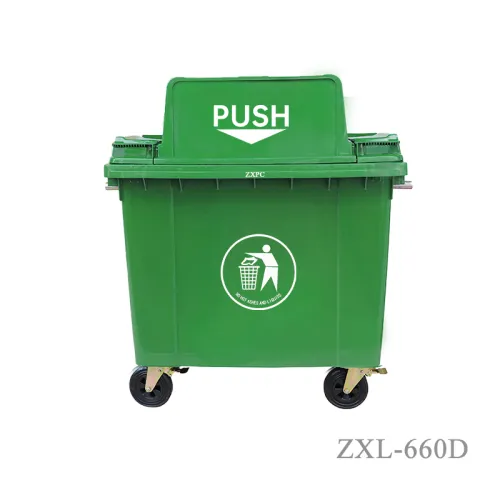
Mobile Wheelie Bins are essential components for effective waste management in both residential and commercial settings. Defined as wheeled containers for the collection and transportation of waste, their load capacity dictates how much waste can be safely stored and facilitated for disposal. Understanding this capacity is vital for businesses and households alike, as it directly impacts efficiency and operational costs. Proper selection ensures that overflow and environmental issues are minimized, making your waste management solutions both sustainable and effective.
Historically, mobile wheelie bins have evolved from basic hand-carried baskets to the modern durable containers we see today, thanks to advancements in materials and engineering. Initially manufactured from metal, the industry shifted towards high-density polyethylene (HDPE) due to its lightweight, corrosion-resistant, and recyclable properties. Today's bins are often designed in compliance with international standards such as ASTM D5330, ensuring they withstand extreme conditions and extended use with an expected lifespan of up to 15 years.
The practical significance of understanding mobile wheelie bin load capacity cannot be overstated. For instance, a standard mobile wheelie bin can typically hold between 120 to 240 liters, and selecting one that fits your needs impacts everything from collection frequency to hauling costs. Overloading a bin not only compromises the structural integrity but also leads to compliance issues with local waste regulations. Proper capacity assessment helps reduce the chances of spillage and enhances community hygiene and environmental protection.
Common misconceptions surround load capacities and bin sizes. For example, many users assume that a larger bin is always better, which is not the case. A larger bin may be more cumbersome and require more space for storage or may exceed the maximum allowable weight limit established by local waste management authorities. Additionally, buyers mistakenly believe that once a bin is full, it can always accommodate the weight limit. However, weight distribution and bin construction quality significantly affect load capacity. For instance, while a bin may state a 240-liter capacity, exceeding weight limits by even 10% can lead to structural failure.
Consider the case of a municipal park that upgraded to larger mobile wheelie bins to effectively handle increased foot traffic and waste generation. This switch reduced collection frequency and saved the city over 20% in operational costs while improving public satisfaction. Such an example underscores the importance of selecting the right mobile wheelie bin based on careful consideration of load capacity and optimal usage based on actual needs.
In summary, when evaluating mobile wheelie bin load capacity, it’s essential to assess your specific waste management requirements, understand the limitations of different bin sizes, and ensure compliance with industry standards like ASTM D5330. By making an informed choice, whether you opt for ZXPC’s sturdy options or others, you can enhance operational efficiency and streamline waste management processes. As we navigate a world increasingly focused on sustainability, the importance of choosing the right mobile wheelie bin grows ever more significant. Invest time in understanding your needs, and choose wisely to ensure your waste management strategy is effective.