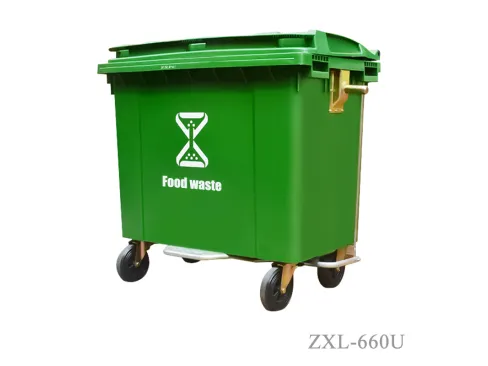
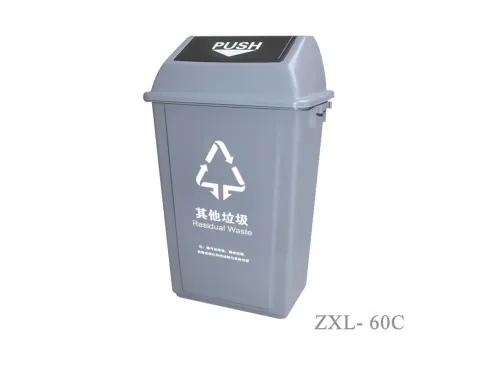
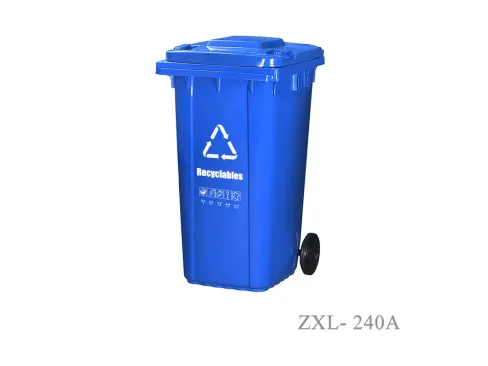
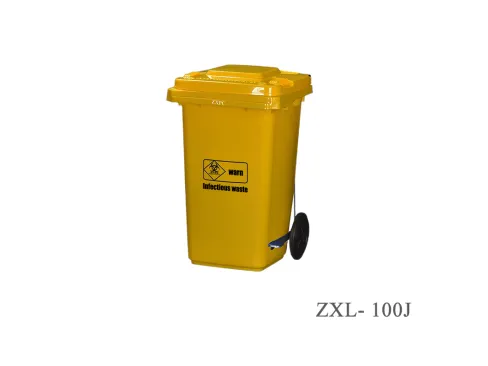
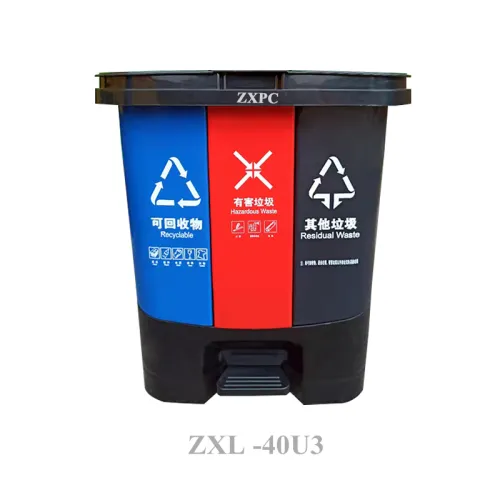
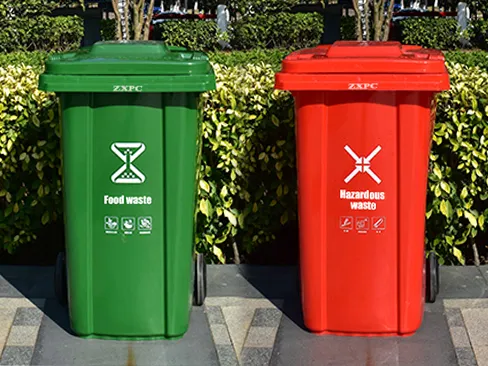
When choosing the right waste management solutions, potential issues often arise concerning bulk garbage bins and retail bins. Buyers must understand the differences, benefits, and applications of these two types of bins. This article explores the key factors that distinguish bulk garbage bins from retail bins, equipping buyers with essential knowledge to make an informed decision. Key elements include capacity, cost, durability, and usage scenarios.
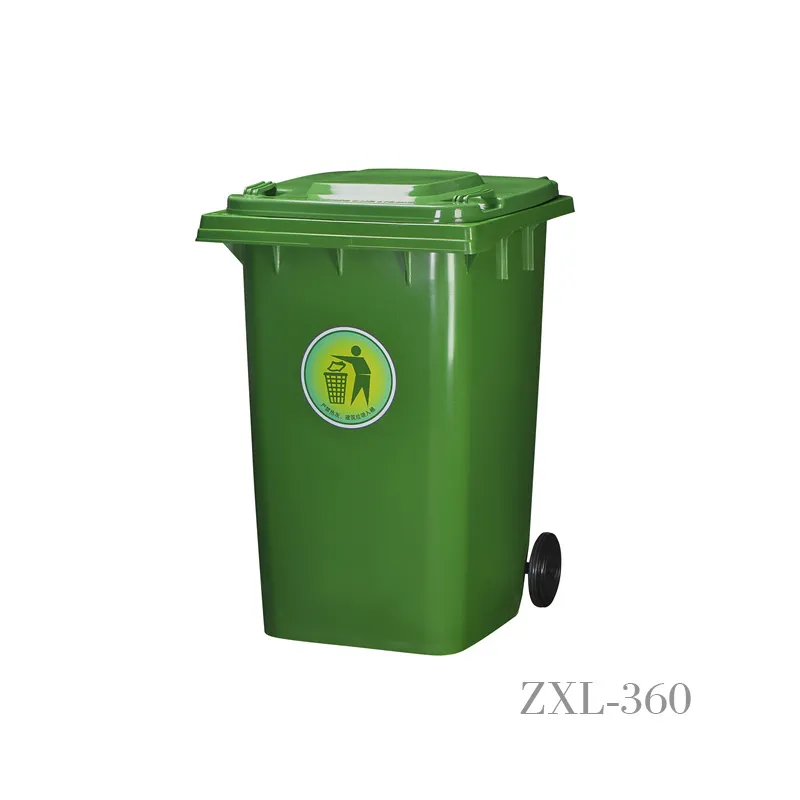
The most significant difference between bulk garbage bins and retail bins is their size and capacity.
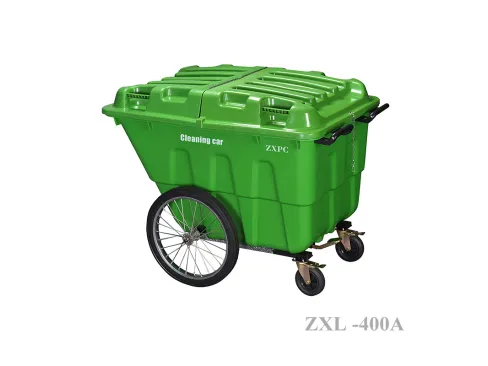
These bins can hold several cubic yards of waste, often ranging from 2 to 40 cubic yards. They are ideal for construction sites and large events.
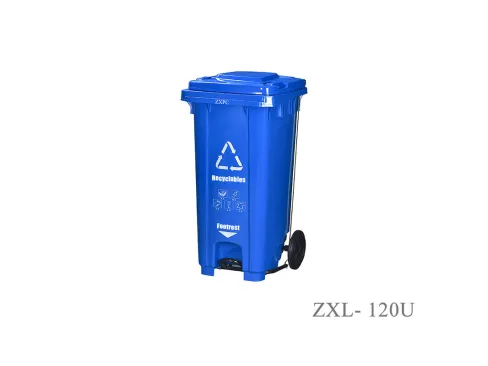
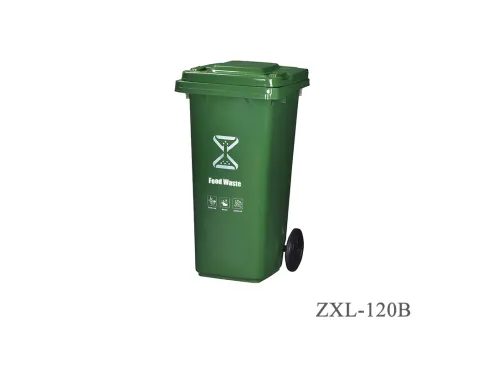
On the other hand, retail bins typically come in smaller sizes, suited for residential and small commercial use, with capacities usually up to 96 gallons.
Cost is another critical factor. Understanding the financial implications of each bin type helps buyers choose wisely.
While the upfront cost for bulk bins is higher, they usually offer better value in terms of cost per volume of waste managed.
Retail bins are less expensive, which makes them a popular choice among households and small businesses looking for cost-effective solutions.
Another crucial aspect to think about is the durability and materials used in the construction of these bins.
Manufactured from heavy-duty plastic or steel, bulk garbage bins are designed to handle rough conditions and heavy loads.
While retail bins are also made from durable materials, they may not withstand extreme conditions as effectively as their bulk counterparts.
Understanding where each bin is best utilized is fundamental for buyers.
Best suited for industrial sites, large-scale cleanups, and significant residential renovations.
Ideal for everyday household waste, small businesses, and shopping centers.
Another layer to consider is the environmental implications related to the choice of bin type.
These bins often manage larger volumes of waste, which can improve leading recycling rates when used correctly.
While they manage smaller amounts of waste, they encourage better waste segregation due to their convenience and accessibility.
| Feature | Bulk Garbage Bins | Retail Bins |
|---|---|---|
| Capacity | 2 to 40 cubic yards | Up to 96 gallons |
| Cost | Higher upfront cost, better value over time | Less expensive, ideal for households |
| Durability | Heavy-duty plastic/steel, durable for tough conditions | Durable, but less robust than bulk bins |
| Best Use | Industrial sites, large cleanups | Household waste, small businesses |
| Environmental Impact | Improves waste management rates | Convenient, encourages future recycling |
Once buyers understand their requirements, they should follow a systematic approach to select the appropriate bin type.
Consider what type of waste will go into the bin - construction debris, recyclables, or general waste.
Estimate how much waste will be produced during the anticipated period of use.
Assess the space availability for either bin type.
Align the choice with your financial capacity. Compare long-term and short-term costs.
Reach out to a manufacturer like ZXPC for tailored advice.
Choosing between bulk garbage bins and retail bins entails understanding their unique features and determining how they align with personal or business waste management needs. By considering factors like capacity, cost, durability, usage scenarios, and environmental impact, buyers can make an informed decision. Learn more about converting your waste management practices by contacting professional manufacturers, such as ZXPC.