When temperatures plummet and winter storms approach, the durability of materials becomes a crucial consideration for businesses and consumers alike. One pressing issue that often arises during this season is the risk of products cracking or becoming compromised due to extreme cold weather. For those relying on waste management solutions, neglected cracks in bins can lead to significant operational challenges. The implications range from unsightly and unsanitary waste management conditions to increased logistical problems for waste collection services. An understanding of why this happens and how to mitigate these risks can spell the difference between seamless operations and costly product failures.
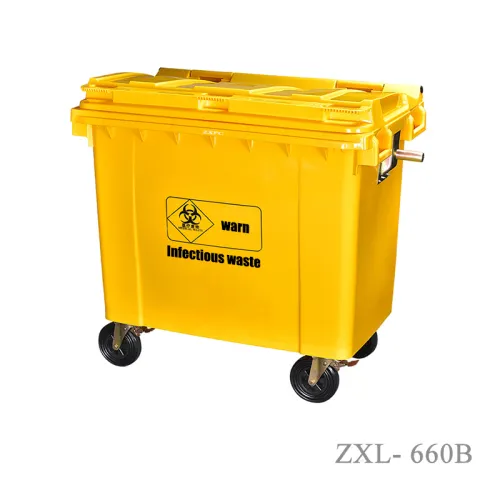
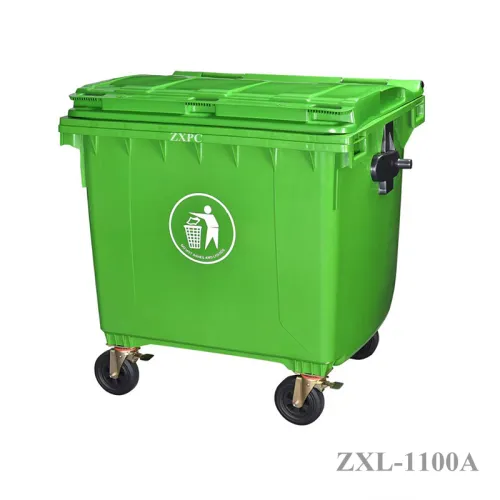
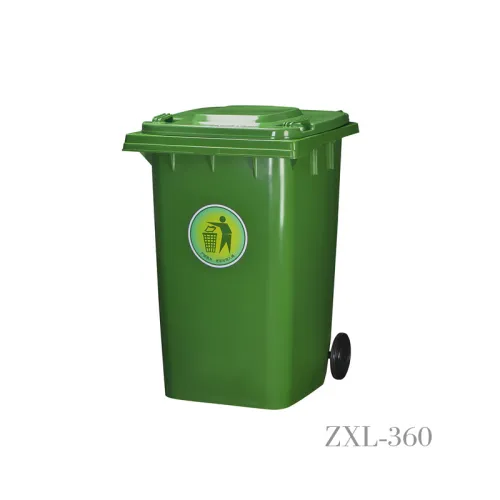
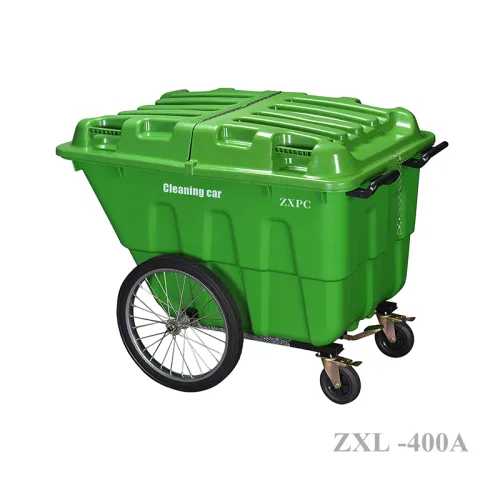
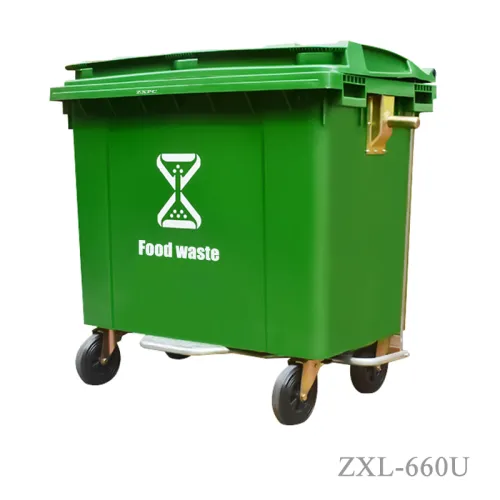
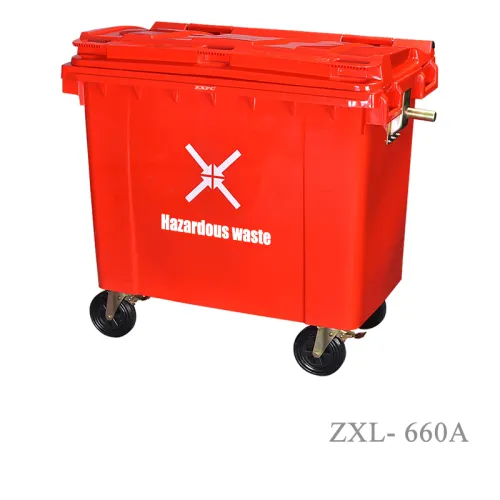
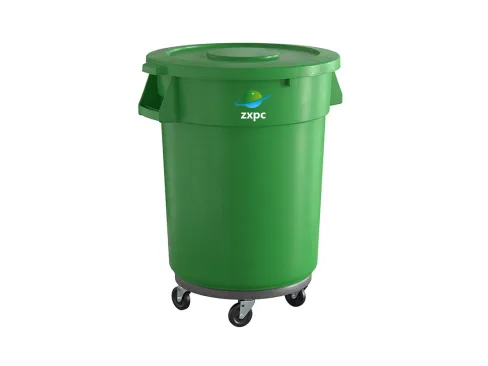
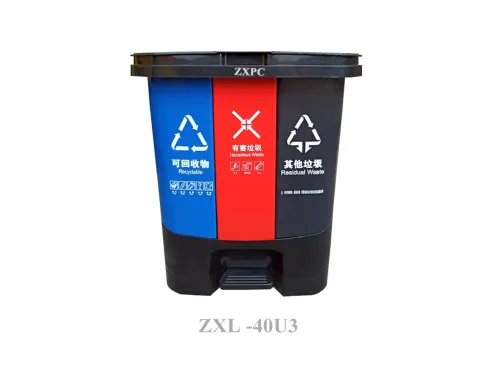
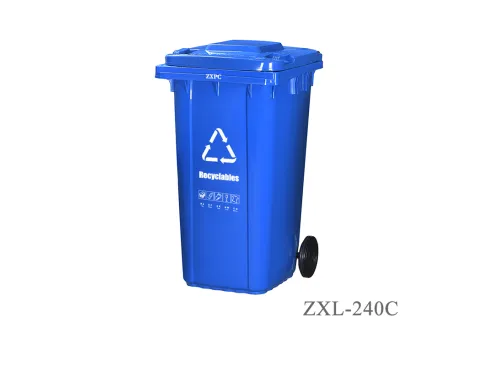
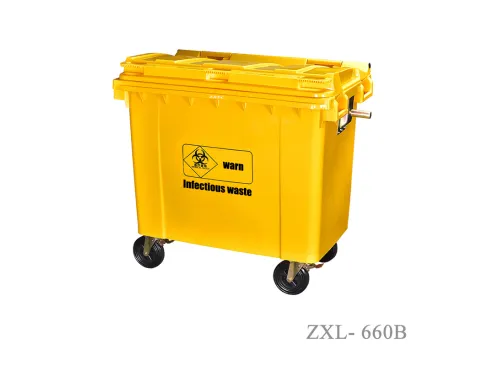
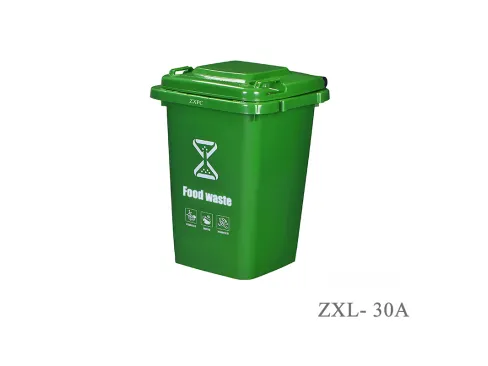
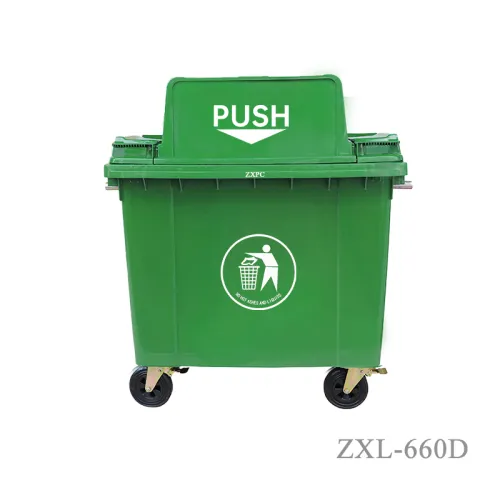
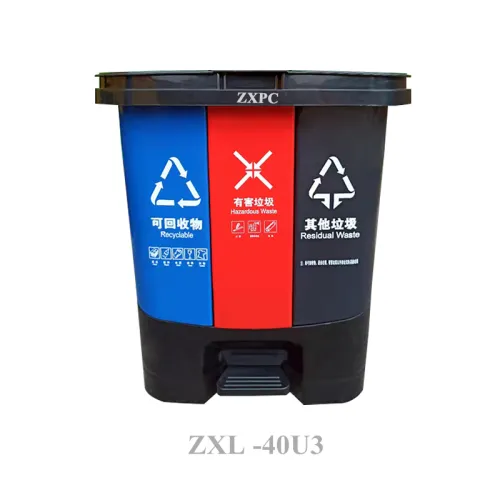
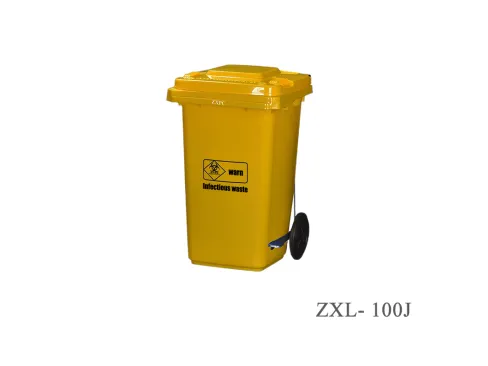
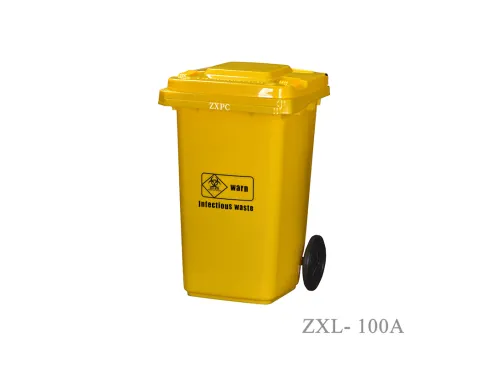
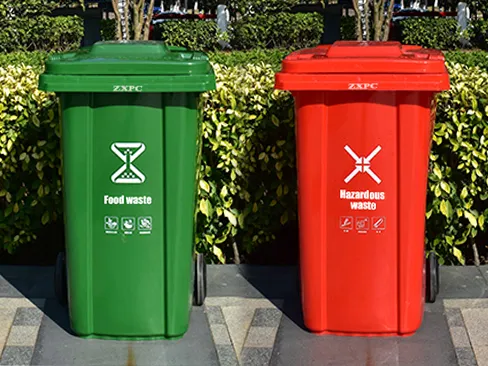
The underlying causes of cracks in materials during winter typically stem from thermal contraction. Most plastics, when exposed to low temperatures, undergo a reduction in flexibility. In non-engineered plastics, this can lead to brittleness and, as a consequence, cracking. However, High-Density Polyethylene (HDPE) bins, such as those offered by ZXPC, are uniquely engineered to resist this phenomenon. Unlike conventional plastic wheelie bins that may become susceptible to environmental stresses, HDPE boasts a robust molecular structure that retains its integrity even in sub-zero temperatures. This is a key reason why discerning users choose HDPE over other plastic materials, ensuring reliability and performance through the harshest winter conditions.
The impact of choosing the right material extends beyond mere product integrity; it significantly affects businesses in waste management and retail industries. For companies that utilize plastic wheelie bins, the ability to withstand winter climates directly correlates with operational efficiencies and customer satisfaction. Reports suggest that enterprises utilizing HDPE materials experience a 30% reduction in maintenance costs compared to those using conventional plastics, translating to tangible savings in their bottom line while fostering a more pleasant user experience. This level of durability is not just a selling point; it is a critical component of operational resilience during cold seasons.
To drive this point home, consider a study involving a waste disposal service that switched from traditional plastic to HDPE bins. This service documented a remarkable drop in breakage reports from 15% to merely 3% over one winter season. The financial implications for this company were substantial: by reducing the need for replacements and minimizing service interruptions caused by broken bins, they increased efficiency and maintained customer satisfaction during peak periods. This case illustrates the importance of investing in high-quality materials that promote sustainability and operational excellence.
Neglecting the choice of durable materials like HDPE for winter-ready waste solutions can lead to significant risks. Businesses that rely on inferior products may face delays in service, increased operational costs due to frequent replacements, and potentially negative impacts on their brand reputation. Customers expect reliable service—if their waste bins fail just when they need them most, they could seek alternatives, affecting both revenues and customer loyalty.
In conclusion, I urge readers to consider the long-term benefits of investing in HDPE bins like those from ZXPC—not only for their superior resistance to cracking during winter but also for the ensuing operational efficiencies they provide. By opting for high-quality plastic wheelie bins, you are not just making a purchase; you're committing to a solution that ensures productivity, customer satisfaction, and operational reliability. As you prepare for the upcoming winter months, remember: the right choice today can make all the difference in how smoothly your waste management operations run when temperatures drop. Don’t wait until it's too late—take proactive measures to safeguard your business.
A: HDPE bins retain their structural integrity and flexibility in sub-zero temperatures, significantly reducing the risk of cracking and brittleness compared to conventional plastics.
A: Switching to HDPE bins can lead to a 30% reduction in maintenance costs and a noticeable decrease in breakage rates, thereby enhancing your operational efficiency and customer satisfaction.
A: Prioritize materials like HDPE that are engineered to withstand low temperatures and avoid traditional plastics that are prone to cracking, which can lead to service interruptions.
A: Yes, you can request a quote for bulk purchases directly through our website, ensuring you have the right durable solutions for your waste management needs.
A: We offer a range of high-quality HDPE bins, designed specifically for durability and operational efficiency in cold weather conditions, among other waste management solutions.