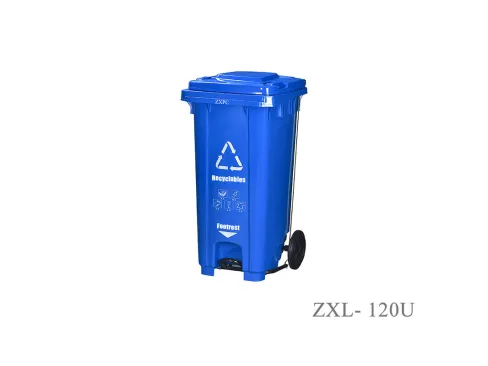
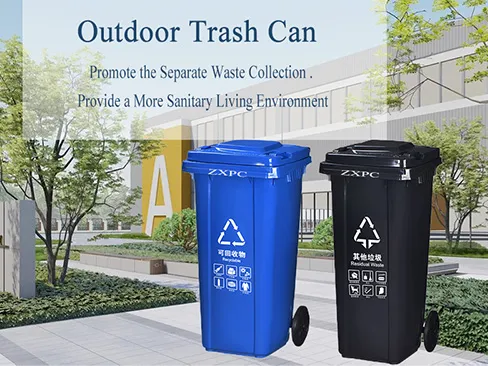
Municipal waste management is a critical challenge for cities globally. An essential aspect of waste management is selecting the appropriate bin size for efficient disposal and collection. Choosing the best bin size can minimize overflow, reduce operational costs, and maximize recycling efforts. This article will discuss factors influencing the choice of bin size, common bin sizes available, and real-life examples of successful waste management systems.
Choosing the right size of garbage bins can provide various advantages. Here are the key benefits:
Studies show that a proper allocation of bin sizes can reduce operational costs by up to 20% over a year.
Municipal waste bins typically come in various sizes to cater to different community needs. Here are the common bin sizes:
| Bin Size | Capacity (Liters) | Ideal Use Case |
|---|---|---|
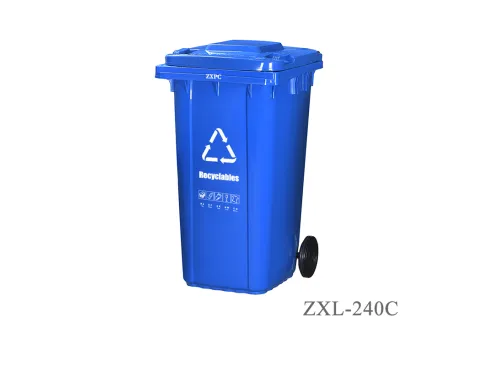
| Small Bin | 240L | Residential areas with limited waste generation. |
| Medium Bin | 660L | Medium-density urban environments. |
| Large Bin | 1100L | Commercial or high-density zones. |
When selecting the best bin for your municipal needs, consider these factors:
| Collection Frequency | Recommended Bin Size |
|---|---|
| Daily | 240L |
| Every Other Day | 660L |
| Weekly | 1100L |
A successful example can be seen in the city of XYZ, which implemented a new bin size strategy. By analyzing waste generation patterns, the city discovered that a majority of its residential areas generated lower volumes of waste. Consequently, they opted for 240L bins in these areas. As a result, the city reported a 30% increase in operational efficiency and improved public satisfaction.
Selecting the best bin size for municipal waste is crucial for effective waste management. It influences not only the cleanliness of urban environments but also the overall cost-efficiency of waste collection services. By considering factors such as population density, collection frequency, and the type of waste generated, municipalities can optimize their waste management strategies. For high-quality garbage containers, consider our brand ZXPC, which specializes in providing versatile and durable bin options suitable for various municipal needs.
A: Consider population density, collection frequency, and the type of waste generated. Higher density areas may require larger bins, while less frequent collections could necessitate bigger bins to prevent overflow.
A: Common bin sizes include 240L for residential areas, 660L for medium-density urban environments, and 1100L for commercial or high-density zones.
A: Choosing the right bin size can reduce operational costs by minimizing overflow, lowering collection frequency, and improving recycling rates, ultimately saving time and fuel.
A: ZXPC specializes in providing high-quality, durable garbage containers designed for various municipal needs, ensuring effective waste management solutions.
A: To inquire about bulk purchasing options, please visit our website or contact our sales team directly for detailed pricing and availability.