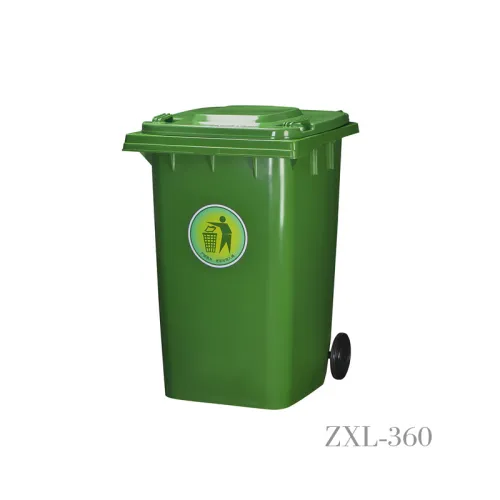
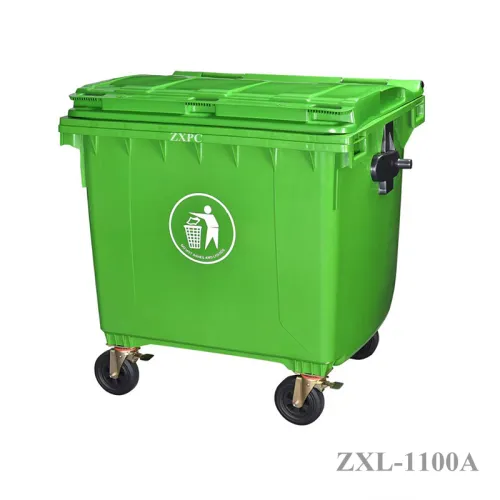
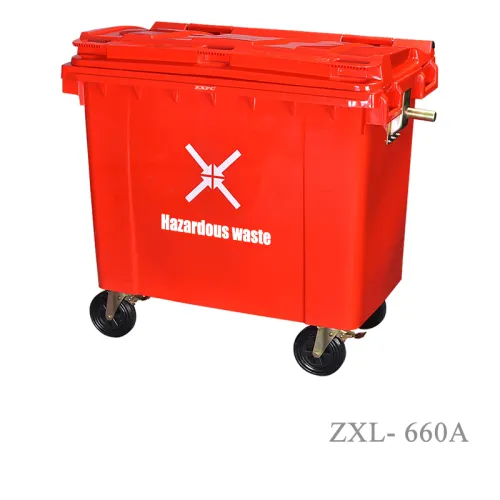
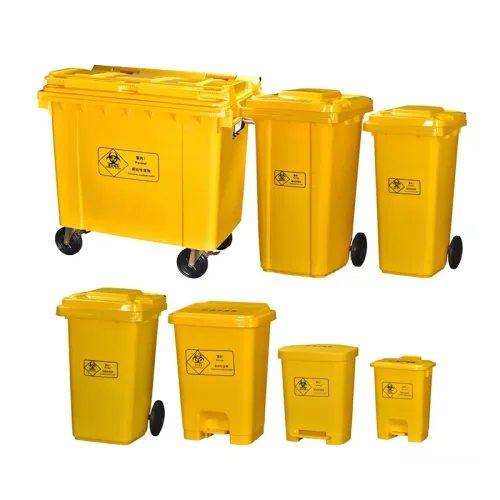
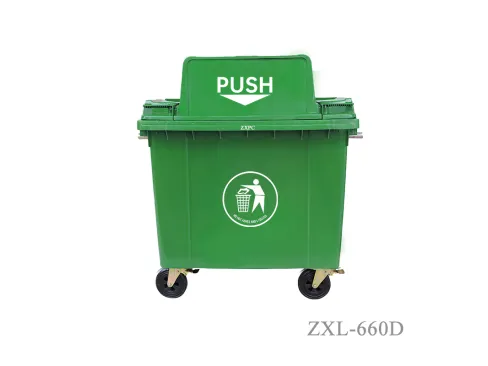
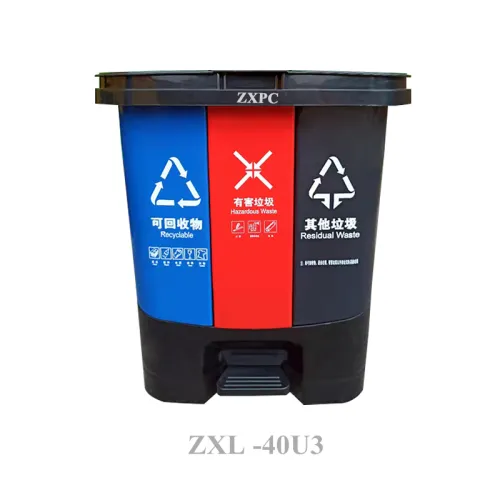
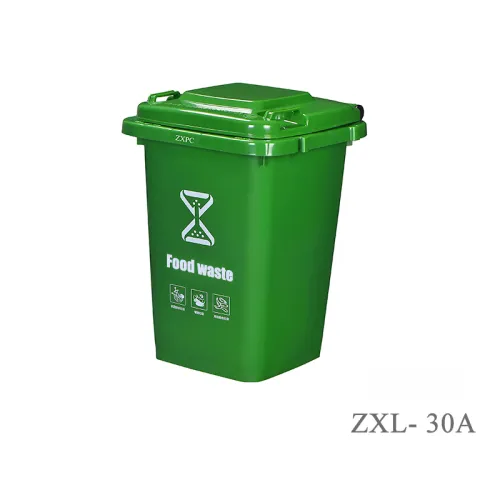
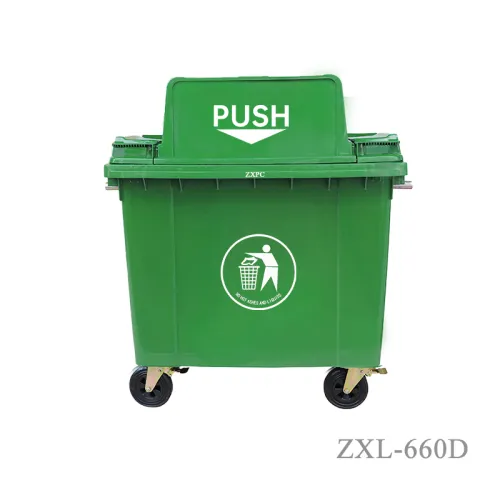
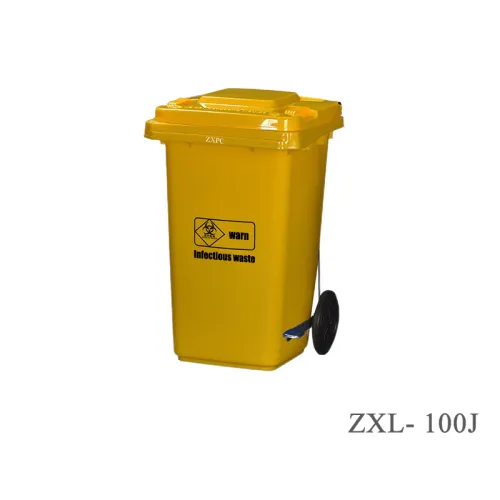
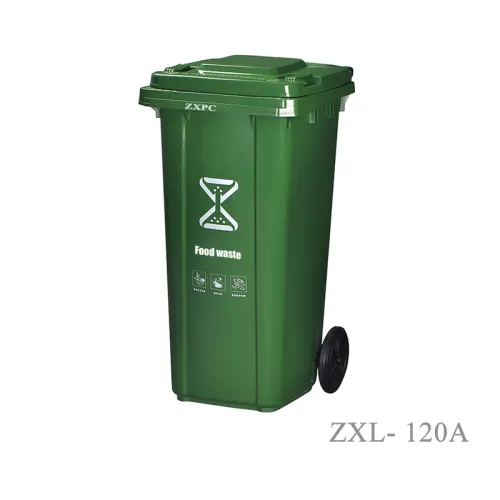
When managing waste collection, the importance of matching Mobile Wheelie Bin sizes to collection routes cannot be overstated. This article promises to provide you with clear, actionable steps to ensure that your collection operations are cost-efficient and effective. Understanding the precise dimensions needed and how to implement them can streamline your waste management processes and ultimately save your business time and money.
To start matching mobile wheelie bin sizes effectively with your collection routes, follow this practical step-by-step guide. I’ll walk you through identifying your requirements, assessing your current operations, and selecting the appropriate bin sizes. Let’s dive in!
First, gather data on your waste generation volume. Consider these factors:
Use a spreadsheet to organize your data, making it easier to identify trends. A precise analysis can highlight that 10% of your collections are unnecessary, allowing you to optimize fleet operations.
Next, examine your current mobile wheelie bin sizes and the routes they follow. Here’s how to perform this analysis:
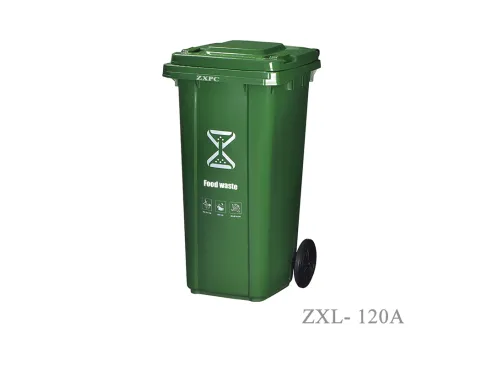
For instance, if you find that your 120L bins are often overflowing while 240L bins are underutilized, it’s time to reconsider your allocation.
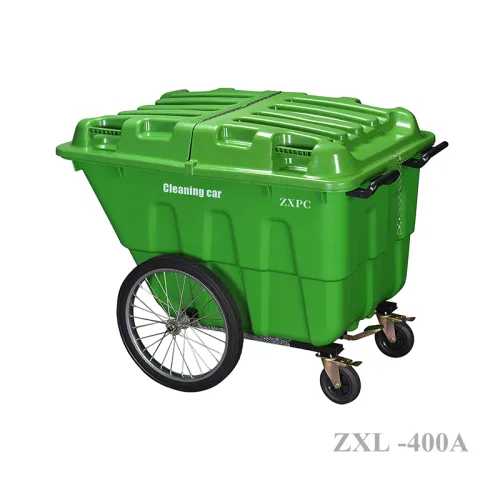
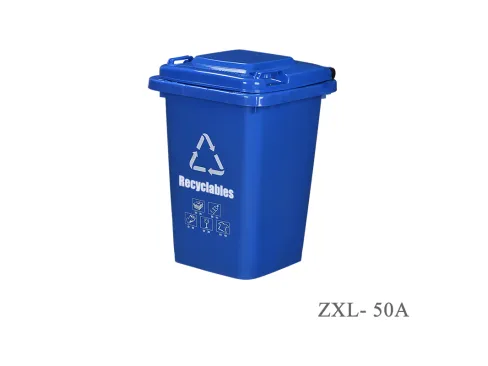
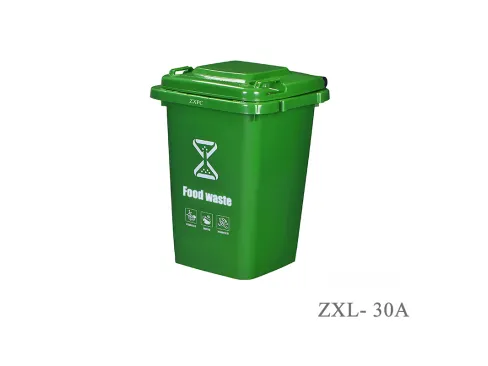
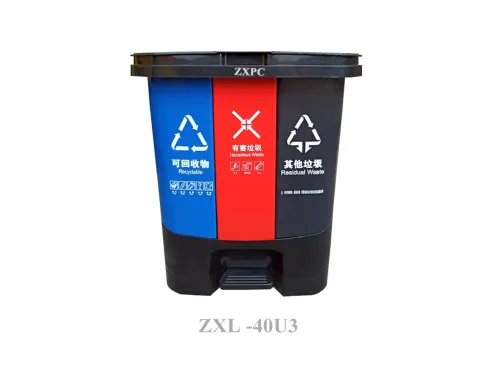
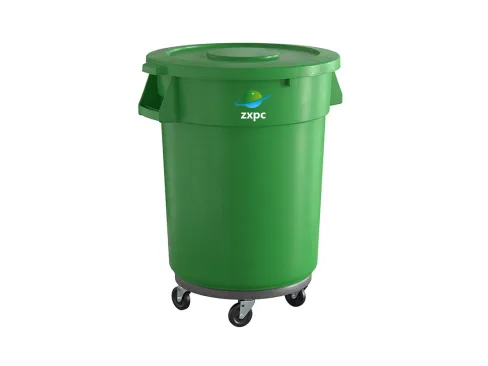
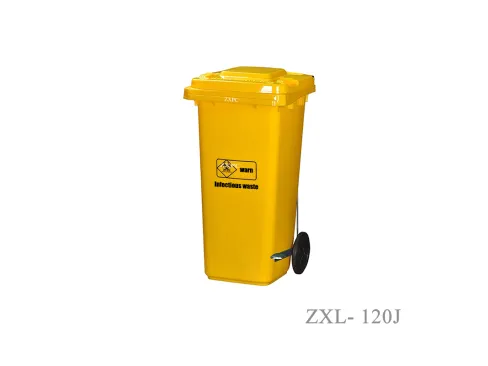
Based on the needs assessment and route evaluation, select the appropriate mobile wheelie bin sizes from a reputable supplier like ZXPC. Consider the following:
Having selected the bins, it’s time to implement the changes across your routes. This should include:
For those unfamiliar with the transition, consider hosting a workshop to demonstrate the use of the new bins. This proactive communication can mitigate disruptions.
Post-implementation, it’s essential to monitor the results closely. Here’s what to look into:
If you encounter challenges along the way—like bins being too large for some routes—you can adjust bin distributions as necessary.
To enhance the execution and monitoring process, I recommend the following tools:
In summary, matching mobile wheelie bin sizes to collection routes involves a systematic approach: assess needs, evaluate existing setups, choose the right bins, implement changes, and monitor results. By following these structured steps, you can significantly enhance your waste collection efficiency and ensure a more sustainable operation. Don’t hesitate—start implementing these strategies today to streamline your waste management process and watch your operational costs drop!
For more information on selecting the best mobile wheelie bins for your needs, visit ZXPC, or refer to the visualization at //image.chukouplus.com/upload/C_5163/file/20250326/4aa485498ac2988fa660a2fecd3329f2.jpg for an illustrative perspective on bin sizes.