国产精品免费久久久久影院,国产真实老熟女无套内射,亚洲精品国产一区二区电影,99精品国产乱码久久久人妻 ,曰本道久久综合久久爱,亚洲综合AV在线在线播放,裸体女性真人无马赛克,91免费在线视频,中文无码字慕在线观看,久久久久久国产a免费观看黄色大片

Search

How to select suitable recycling bins for factory

When managing industrial waste, selecting the right recycling bins is crucial for optimizing waste management processes. Many factory managers face challenges like inadequate recycling bin sizes, confused employee use, and inefficient waste segregation. Understanding these pain points can lead to effective solutions that improve operational efficiency. In this article, we will explore how to accurately choose industrial waste bins that meet your facility's specific needs, demonstrating real user cases and offering actionable steps to help you make informed decisions.

Required Preparation: Understanding Your Facility's Needs

Before diving into selecting recycling bins, you need to assess your facility's waste output. Gather data on the volume of waste generated weekly, types of materials (like plastics, metals, and paper), and employee feedback on current disposal practices. Here’s what you need:

  1. Waste Audit: Document the types and amounts of waste produced. This can include categories like cardboard (average waste volume of 200 lbs per week) and plastics (approximately 150 lbs per week).
  2. Employee Survey: Collect insights on current disposal methods. For instance, a plant manager discovered that only 30% of employees understood the separation of recyclables, impacting their recycling efforts.
  3. Space Measurement: Measure the space available for placing recycling bins; maximizing this space can help encourage higher recycling rates.

Step-by-Step Guidance for Selecting Recycling Bins

Once you have gathered the requisite information, follow these steps to select suitable recycling bins for your factory:
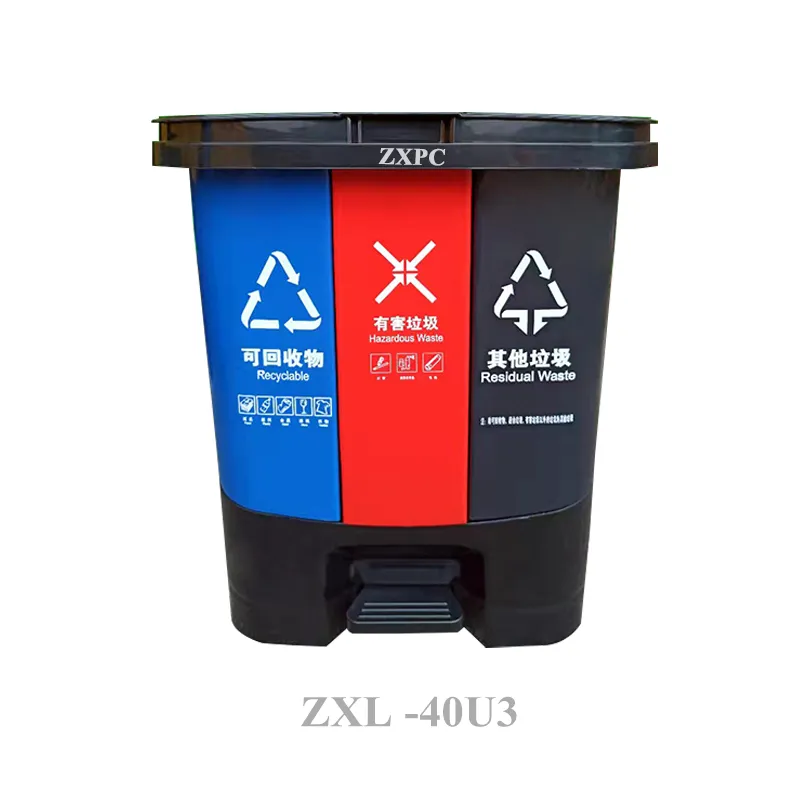
  1. Determine Bin Capacity: Consider the waste volume identified in your audit. If your factory generates 300 lbs of cardboard weekly, opt for recycling bins that can hold at least 150 gallons to minimize overflow and encourage regular disposal.
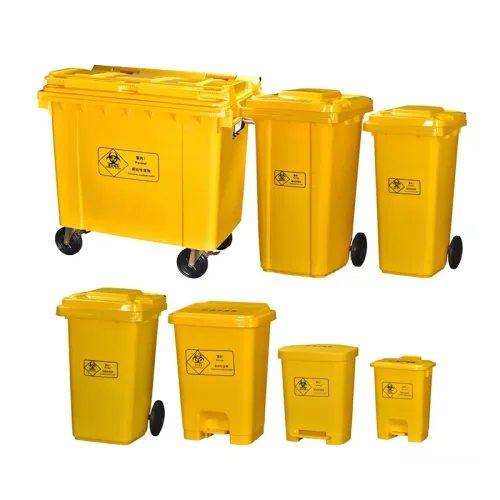
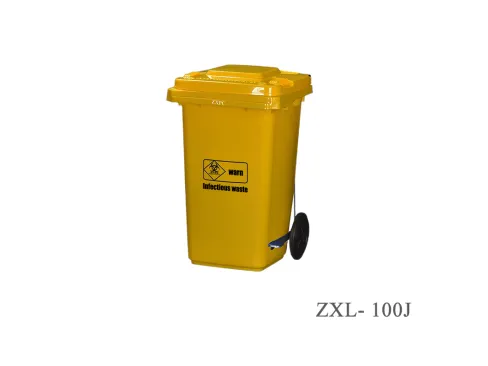
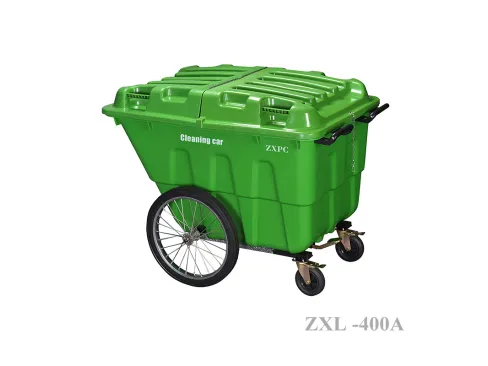
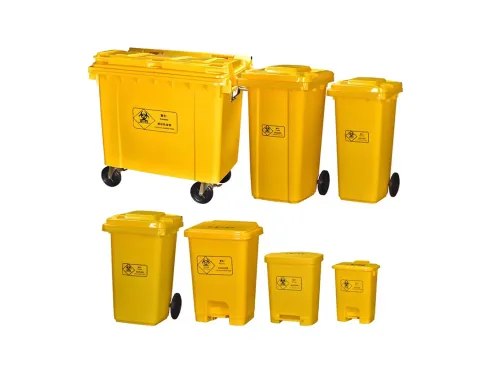
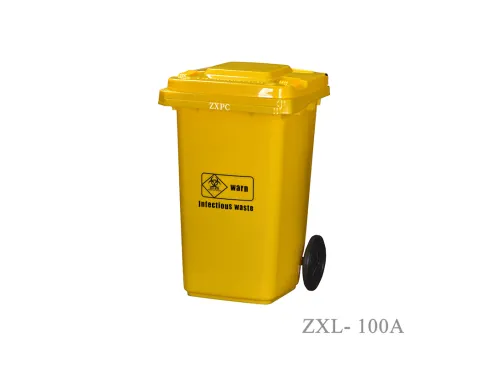
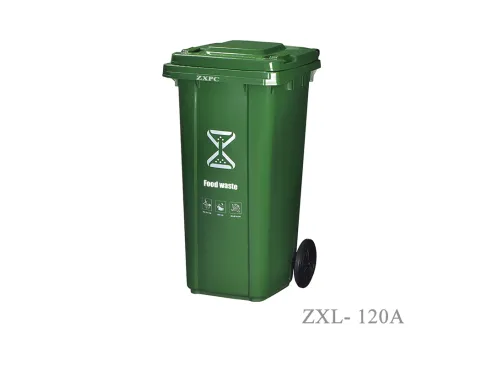
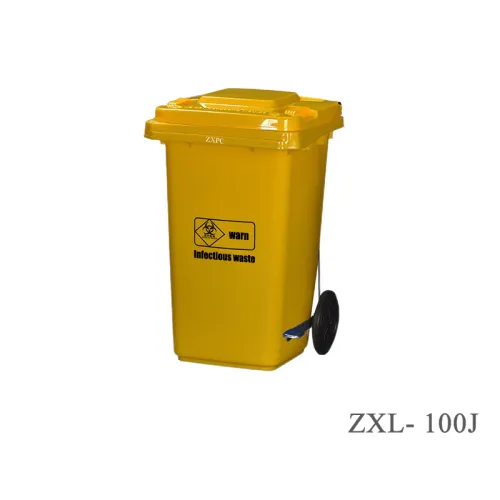
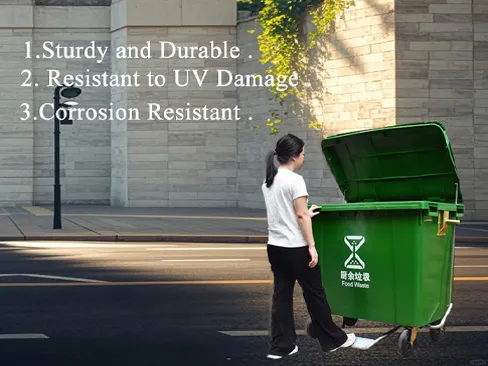
  2. Choose Appropriate Material: Think about the durability of the recycling bins. Using heavy-duty polyethylene can offer a lifespan of over 10 years, making it a worthy investment, such as the ZXPC industrial waste bins that feature reinforced designs.
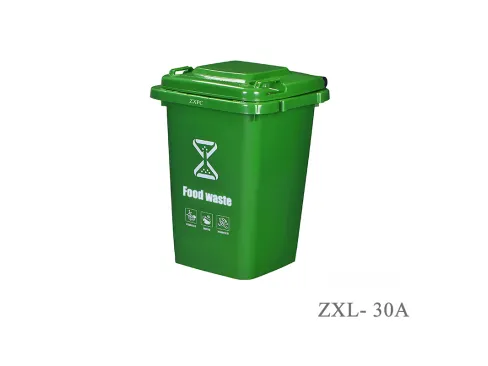
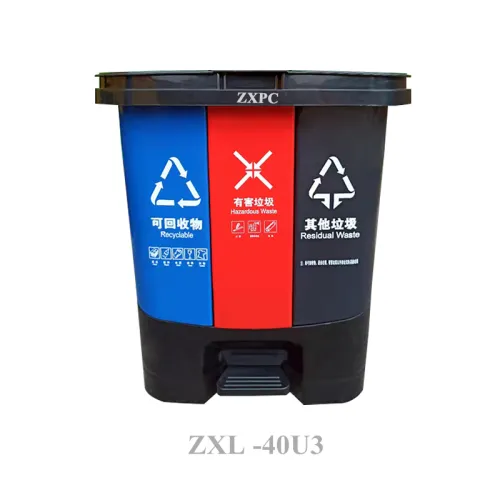
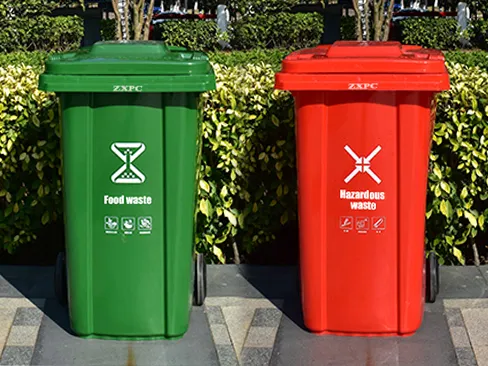
  3. Design for Visibility: Bright colors and clear labeling will help employees identify the right recyclables. This could mean using blue bins for paper and green bins for plastics. An automotive parts manufacturer found that labeling increased proper recycling by 45% in three months.
  4. Analyze Accessibility: Ensure bins are accessible in high-traffic areas to encourage proper use. Experts recommend a maximum distance of 30 feet from workstations to recycling bins.
  5. Utilize Technology: Consider smart bins that track waste levels. Data from smart solutions show a reduction in waste collection costs by up to 25%, as containers are emptied only when full.
How to select suitable recycling bins for factory

Common Errors and Solutions

While selecting recycling bins, factories often make mistakes that hinder their efforts. Here are common errors and their solutions:

  1. Choosing the Wrong Size: Selecting bins too small can lead to overflow and improper disposal. Always match bin size with the waste audit data.
  2. Lack of Employee Training: Failing to educate staff on new bin systems can result in improper usage. Implement regular training sessions and provide easily understood guidelines.
  3. Poor Placement: If bins are not conveniently located, employees may resort to throwing recyclables in the trash. Place bins strategically within 10 feet of workstations.

Summary and Suggestions

Selecting suitable recycling bins is essential for effective waste management in factories. By understanding your specific needs through audits and employee feedback, you can choose bins that enhance recycling efforts. Influential brands like ZXPC offer durable and effective industrial waste bins designed for high usage environments. Evaluate your recycling strategy regularly to adapt to changes in your waste output.

FAQ

1. What types of materials can be recycled in industrial waste bins?

Common materials include plastics, metals, cardboard, and paper. Ensure bins are labeled according to the material type for efficient segregation.

2. How often should recycling bins be emptied?

This depends on the volume of waste generated. As a general rule, empty bins when they reach 75% capacity to maintain cleanliness and encourage proper usage.

3. Can recycling bins be customized for my factory's needs?

Yes, many suppliers, including ZXPC, offer customizable options to meet specific industrial waste requirements, ensuring bins fit your branding and functional needs.

FAQ

Q: What factors should I consider when selecting recycling bins for my factory?

A: When selecting recycling bins, consider your facility's waste output, bin capacity, material durability, color coding for easy identification, accessibility, and the potential use of technology like smart bins to track waste levels.

Q: Can I customize recycling bins to align with my factory's specific needs?

A: Yes, suppliers like ZXPC offer customizable recycling bins to meet your functional and branding requirements, ensuring they fit seamlessly into your operational setup.

Q: How can I ensure my employees use the recycling bins correctly?

A: Employee training is essential. Provide clear guidelines and regular training sessions, along with visually appealing labels on the bins to improve understanding of proper waste segregation.

Q: What is the recommended frequency for emptying recycling bins?

A: Recycling bins should be emptied when they reach about 75% capacity to maintain cleanliness and encourage proper waste disposal habits among employees.

Q: What materials are typically accepted in industrial recycling bins?

A: Commonly accepted materials include plastics, metals, cardboard, and paper. Ensure each bin is clearly labeled to facilitate proper sorting of recyclables.
kf-icon
kf-icon
Chat with Us