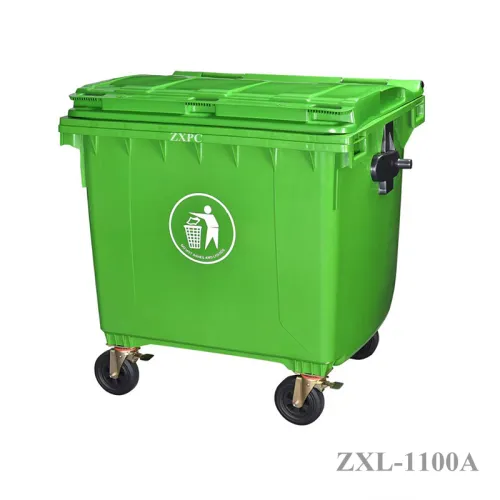
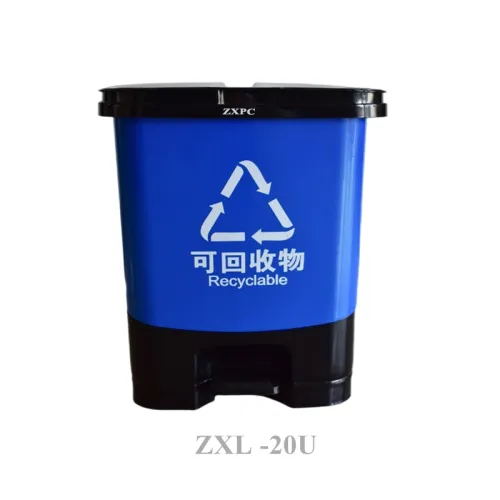
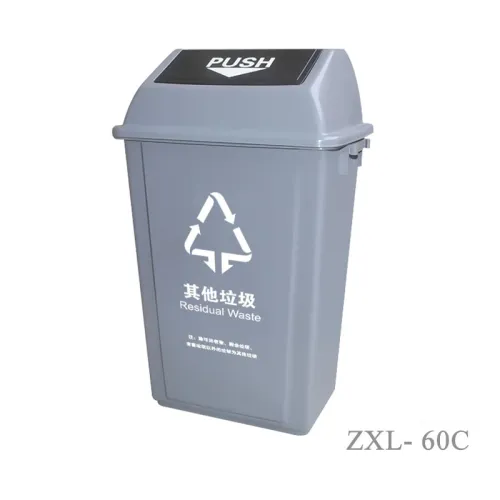
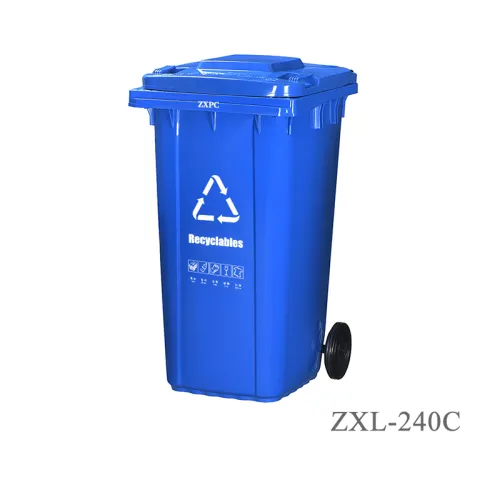
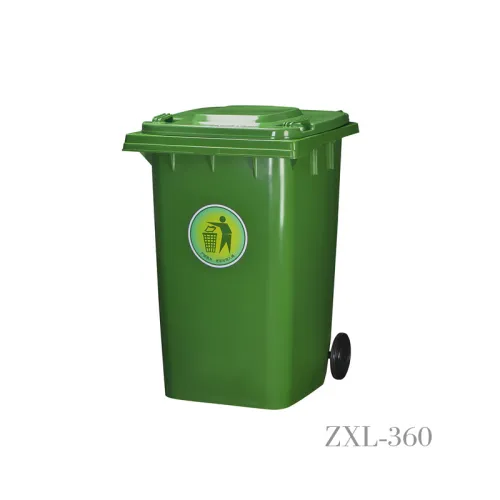
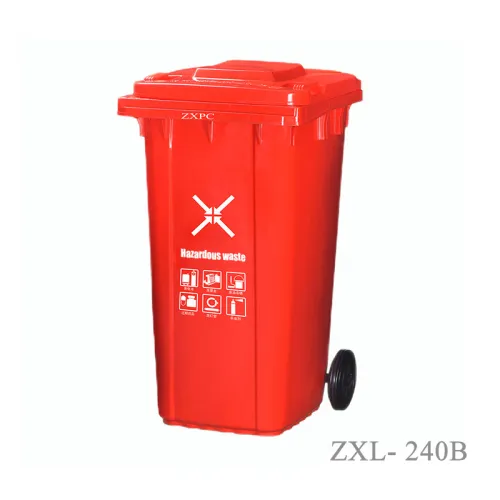
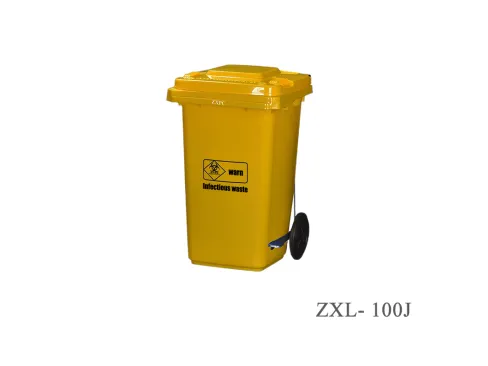
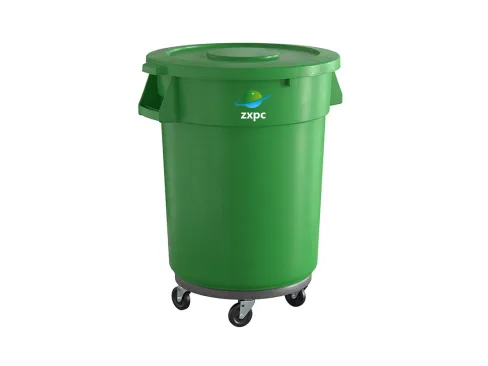
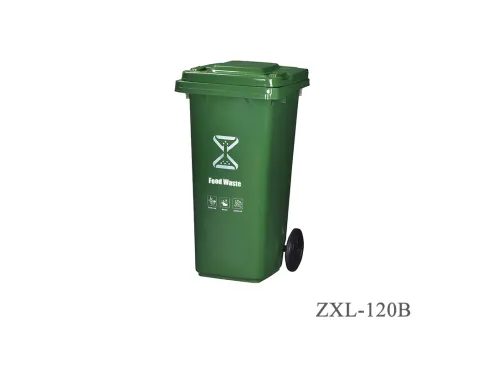
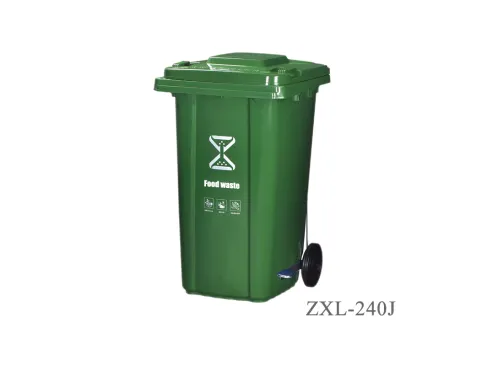
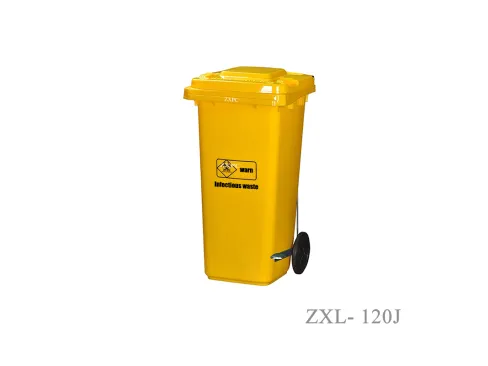
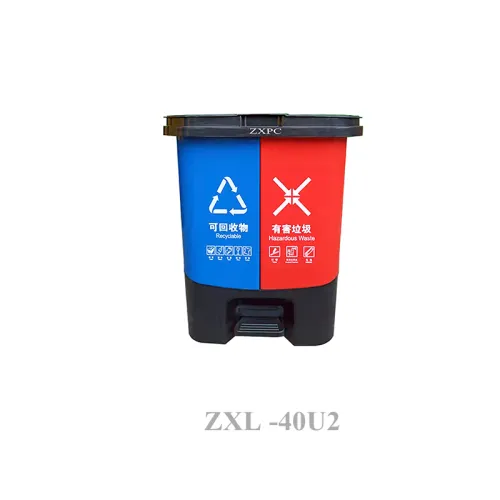
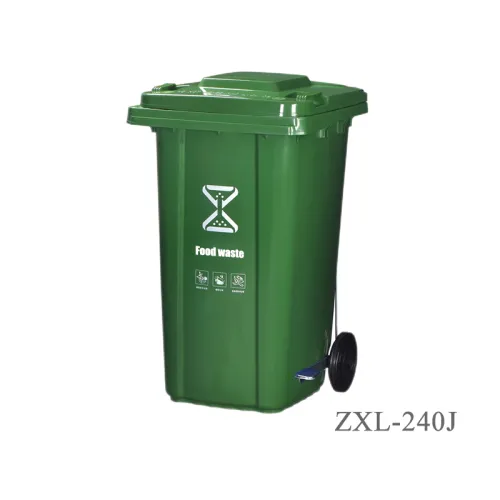
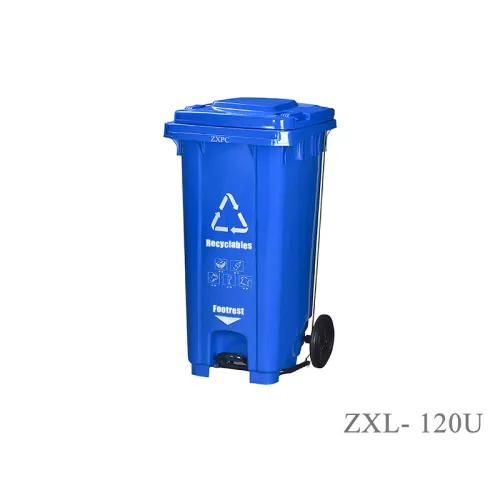
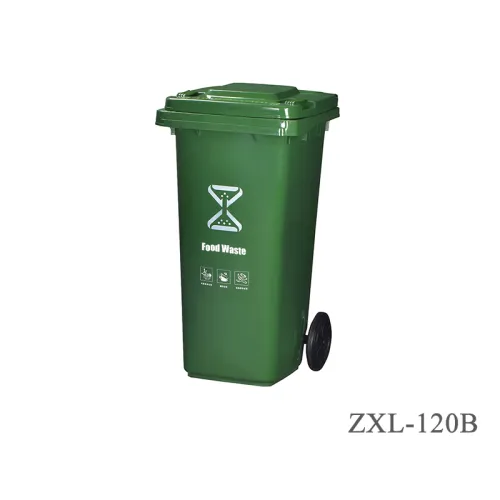
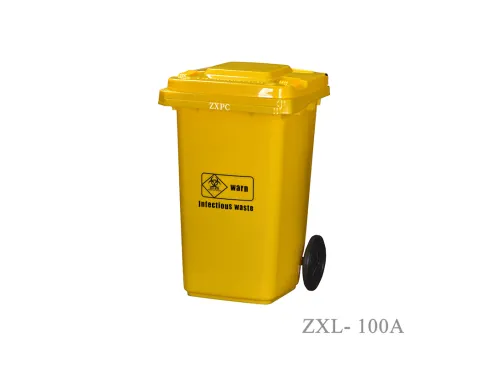
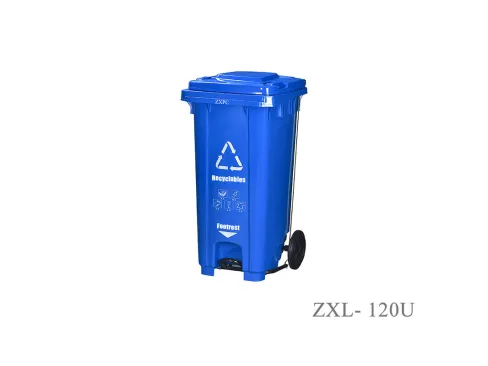
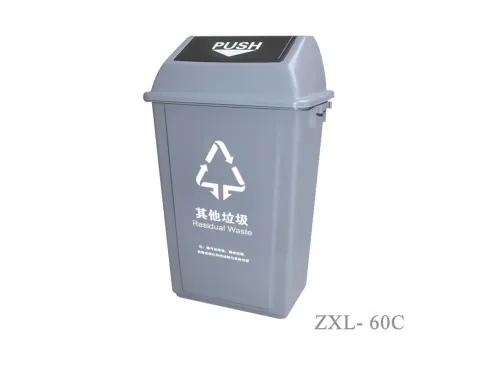
In warehouses, managing waste effectively is a critical issue that impacts overall efficiency and safety. Industrial trash cans with wheels offer a practical solution, enabling seamless waste management without hindering operations. However, selecting the right industrial trash can with wheels can be challenging due to varying sizes, materials, and designs. This guide provides actionable tips to help you make an informed choice, addressing common warehouse pain points and illustrating the advantages of using the right equipment.
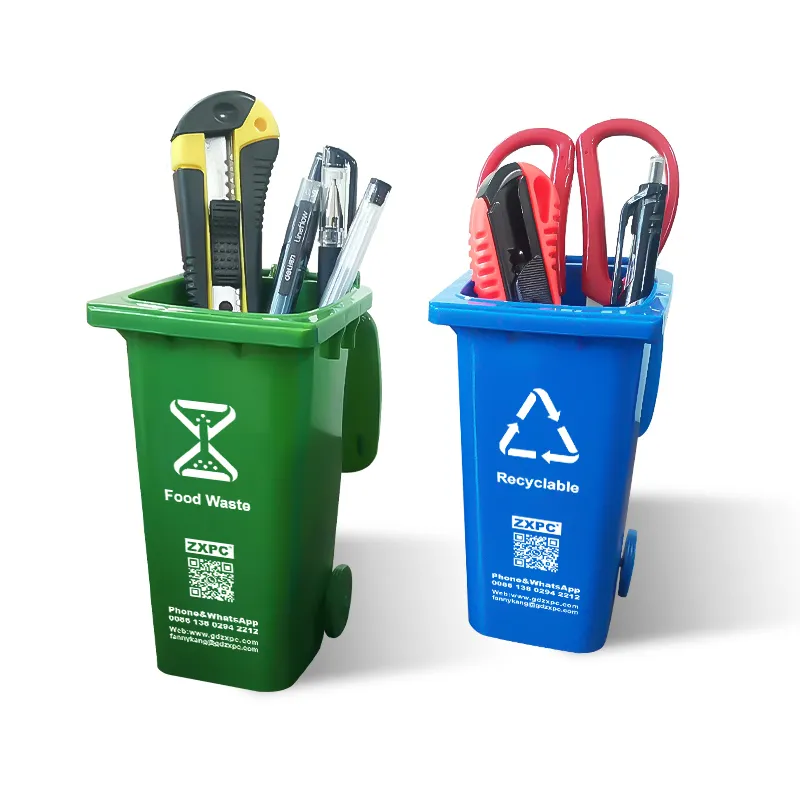
Why: An appropriately sized trash can improves efficiency and reduces the frequency of emptying.
Opt for an industrial trash can with wheels that matches your warehouse’s waste disposal volume. Measure the average waste generated daily and choose a size that accommodates it without overflowing. Consider models that come in 55 gallons as this size can effectively hold a large amount of waste, thus minimizing service interruptions.
Why: Selecting materials that can withstand heavy use lowers replacement costs.
Look for trash cans made from high-density polyethylene (HDPE) or galvanized steel, which can resist dents and environmental damage. For instance, HDPE trash cans can tolerate temperatures from -20°F to 120°F, making them suitable for various warehouse conditions. Evaluate using ZXPC brand options known for their durability to ensure longevity.
Why: Better wheel design can significantly reduce transport effort and time.
Assess the wheel material and size; rubber tires are preferable as they are less prone to damage and provide better grip. Ensure the trash can has a wheel diameter of at least 8 inches for enhanced maneuverability, especially on rough warehouse floors. This facilitates smoother transportation, reducing labor fatigue and increasing task efficiency.
Why: Ergonomic designs minimize physical strain and enhance handling comfort.
Select industrial trash cans equipped with features such as pedal openings or integrated handles which facilitate easy operation without bending or lifting. In scenarios where waste disposal occurs frequently, these features are essential in maintaining user comfort and productivity. Look for models that comply with ergonomic standards.
Why: Understanding lifecycle value helps justify upfront costs by lower long-term operational expenses.
Calculate the total cost of ownership of an industrial trash can with wheels, including purchase, maintenance, and replacement costs. Investing in a high-quality, durable model may cost more initially but can save up to 40% over five years compared to cheaper options. This data-driven approach ensures optimal financial decisions.
Why: A solid warranty often indicates a trustworthy manufacturer and assurance of quality.
Research reputable brands like ZXPC and their warranty conditions. A manufacturer that offers a three to five-year warranty typically stands behind their product's integrity. This is critical for ensuring you invest in a reliable industrial trash can with wheels that meets rigorous warehouse demands.
Choosing the right industrial trash can with wheels is pivotal for enhancing waste management in warehouses. Consider size, material durability, wheel quality, ergonomic features, lifecycle value, and manufacturer reputation. By analyzing these factors effectively, you can optimize waste disposal processes, thereby improving productivity and maintaining a safer working environment. Informed decision-making not only addresses immediate needs but also contributes to long-term operational savings.