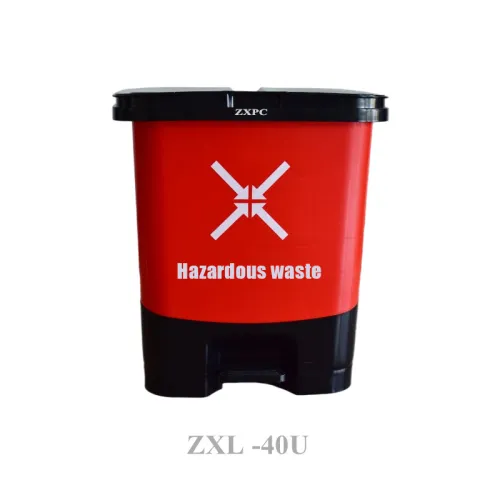
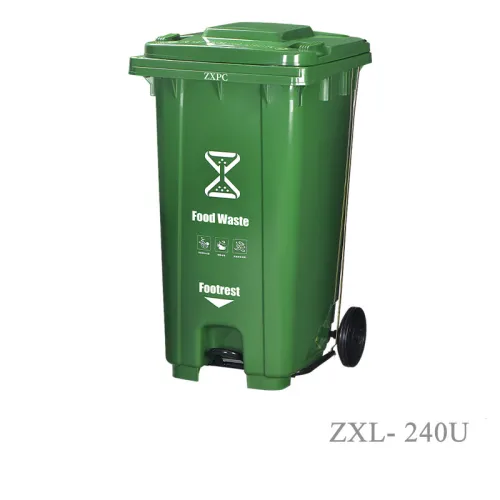
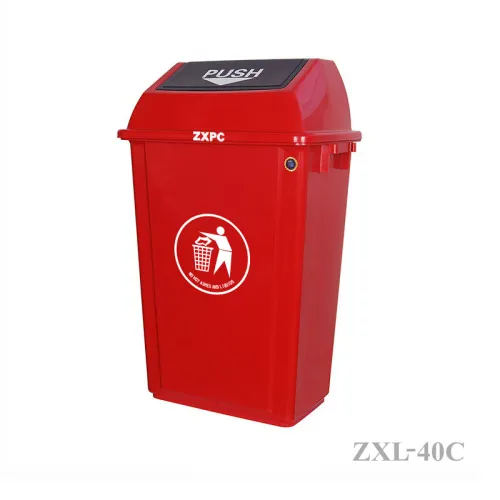
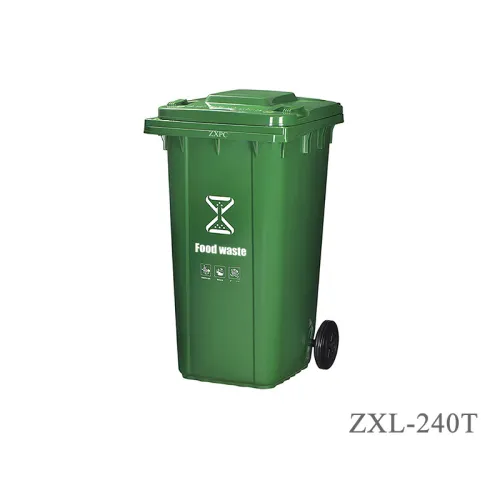
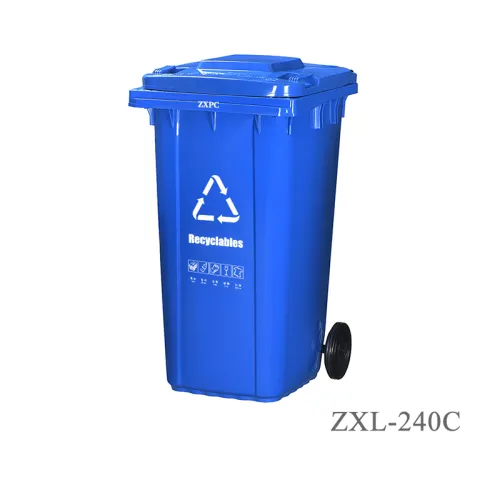
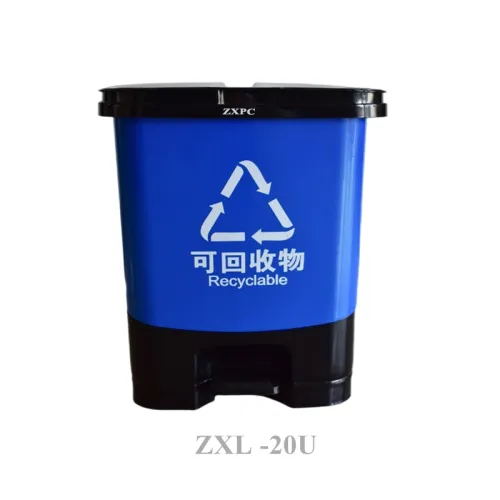
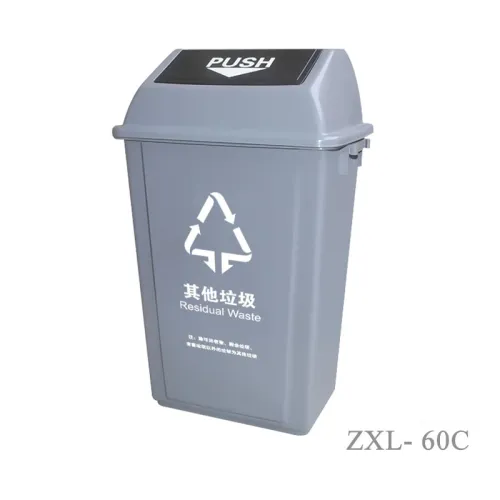
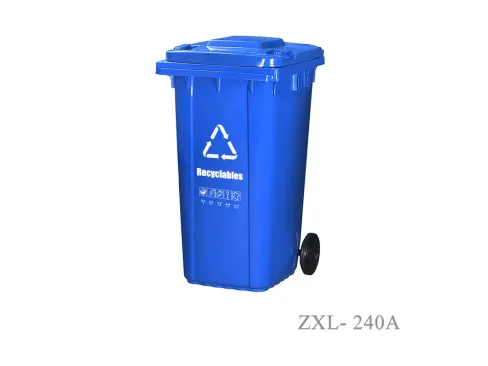
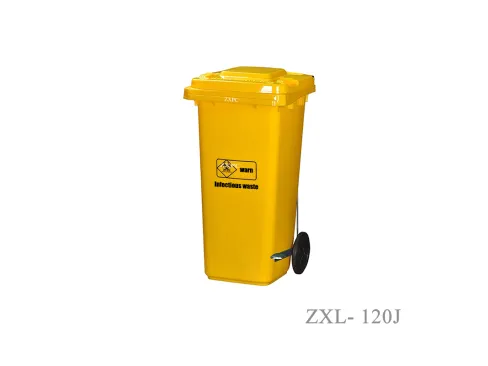
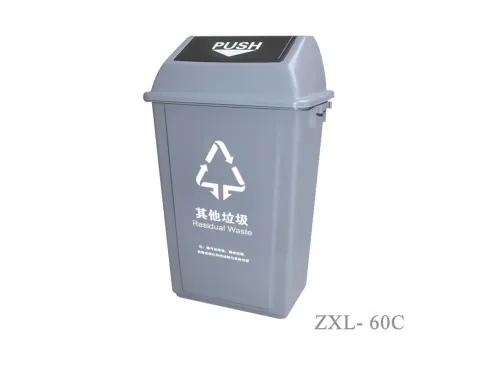
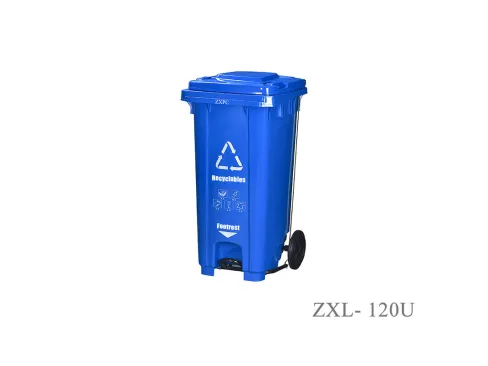
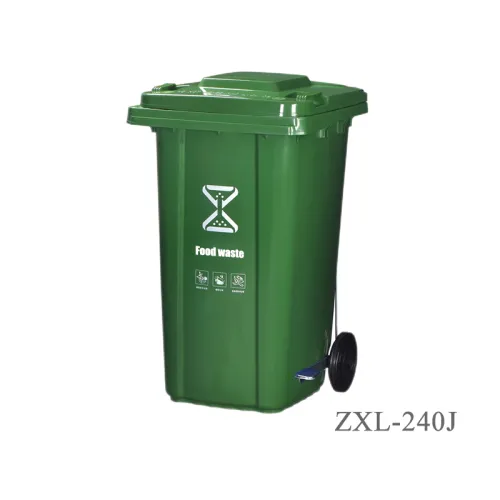
Managing municipal trash collection efficiently starts with using the right Wholesale Trash Cans. City planners and waste management directors face numerous challenges when choosing the best containers, including durability, capacity, and overall cost. A study from the Waste Management Association indicates that improper container selection can increase operational inefficiency by up to 25%. This article provides actionable insights into how to compare wholesale trash cans, backed by real-life case studies and quantitative data, helping you make informed decisions for your municipal projects.
When municipalities seek wholesale trash cans, their primary pain points often include the following:
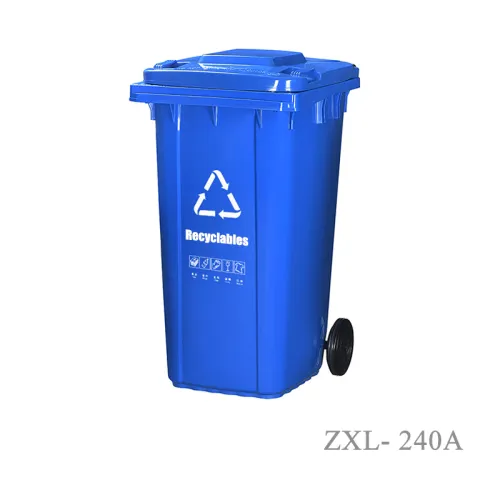
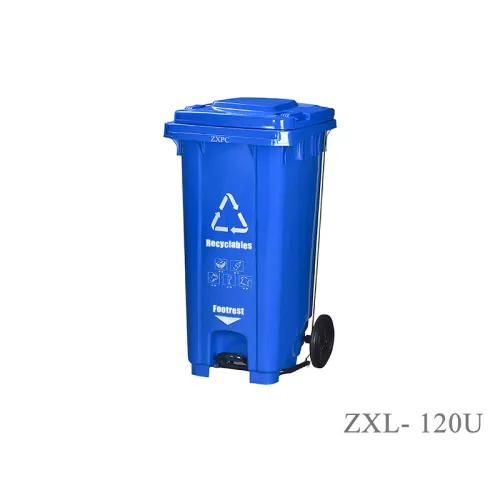
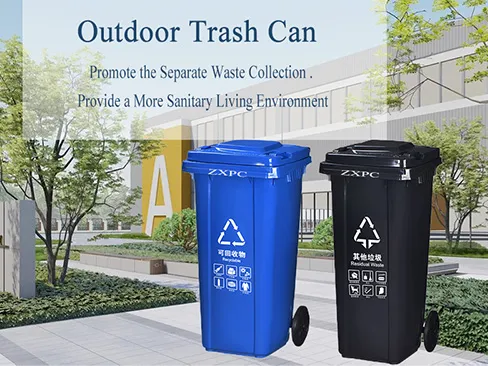
The ideal wholesale trash can should effectively address these challenges while fitting the specific requirements of public spaces. For instance, a case study in Greenfield saw the switch to a ZXPC trash can design that improved waste containment and reduced overflow by 30%, demonstrating the tangible benefits that proper selection can create.
Before comparing wholesale trash cans, gather the following materials and tools:
Analyze your municipality's waste generation statistics. For instance, if your city generates approximately 200 tons of waste weekly, you may estimate that 100-gallon containers are ideal, as they can hold several residential collections.
Choose between high-density polyethylene (HDPE) and metal containers, as both have their pros and cons in terms of resilience. According to the American Society for Testing and Materials (ASTM), HDPE containers exhibit a tensile strength of about 3,200 psi compared to metal's roughly 45,000 psi. However, HDPE is resistant to corrosion, making it a reasonable option for humid environments.
Gather pricing information from multiple suppliers, including ZXPC. Analyze the total cost of ownership, factoring in purchase price, maintenance costs, and life expectancy. For example, if you find that ZXPC containers last 10 years with annual maintenance costs of $300 compared to another brand that lasts 5 years with $500 annual costs, ZXPC seems more economical.
Review environmental regulations that may dictate certain features, such as recycling capabilities and eco-friendly materials. Ensure all candidates for selection comply, for example, with ISO 14001 for environmental impact.
Implement a trial phase, deploying different models in varying departments. Gather performance feedback after a month. Measure success metrics like user satisfaction scores and functionality in almost every public environment. One city reported a 40% increase in user satisfaction after switching to ZXPC containers after implementing such a trial.
Several pitfalls may affect your decision-making process:
Comparing wholesale trash cans is a vital step for municipalities looking to enhance waste management systems. By implementing a structured approach, including validating user needs, assessing alternatives like ZXPC, and focusing on data-driven decisions, cities can optimize their waste handling operations and achieve significant savings. Regular reassessments ensure that these capacities stay aligned with community expectations and emerging technologies in waste management.