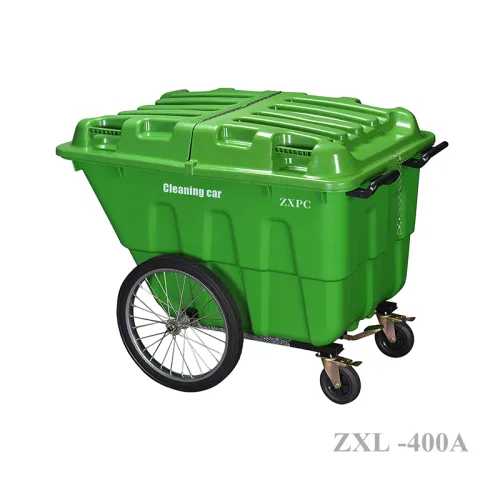
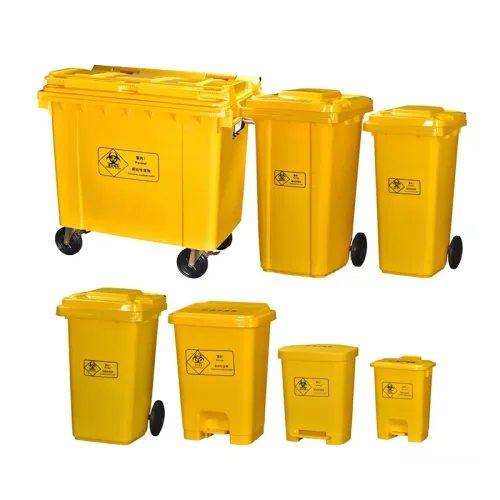
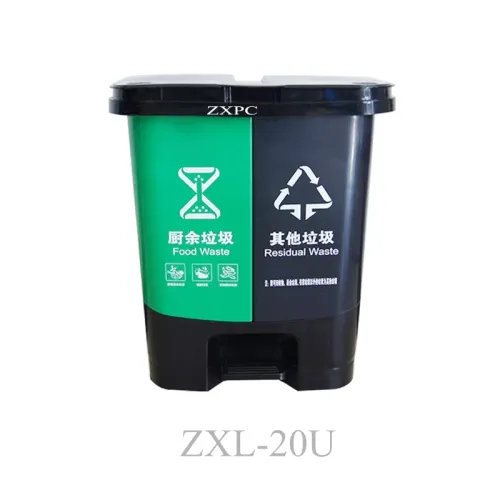
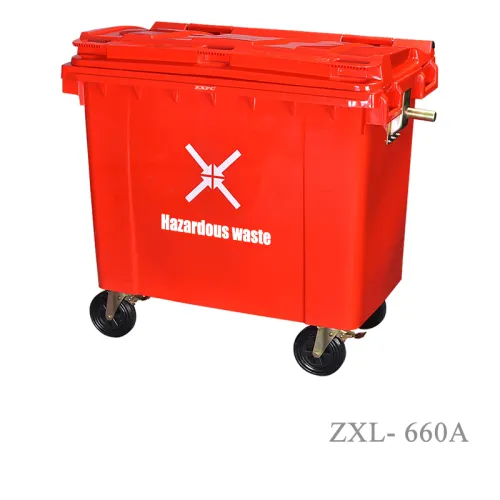
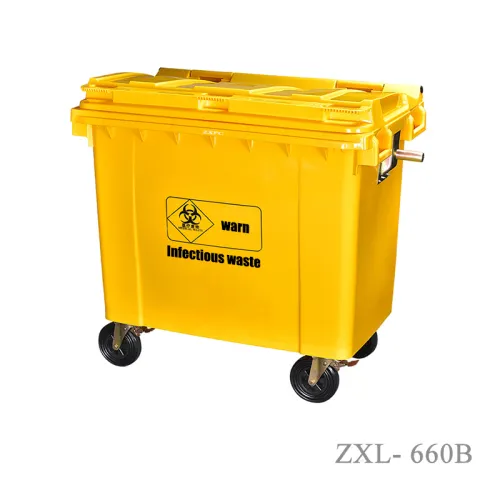
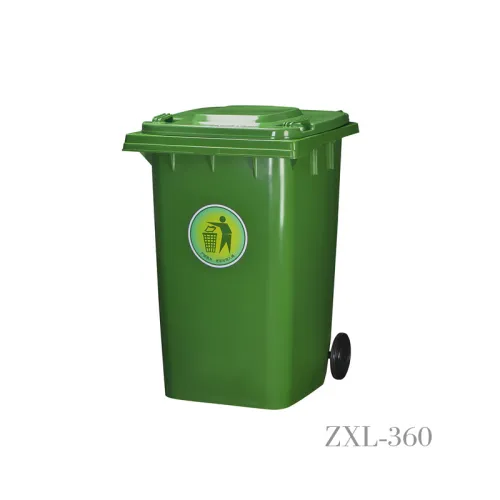
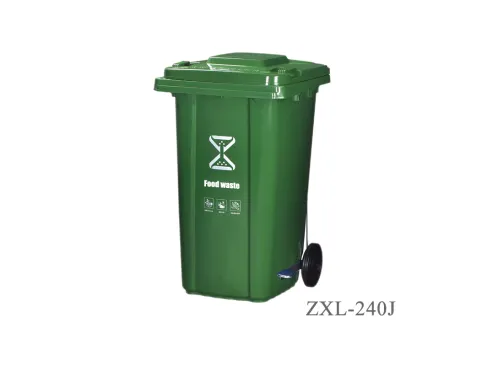
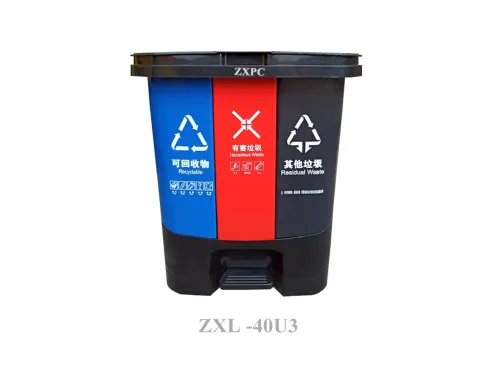
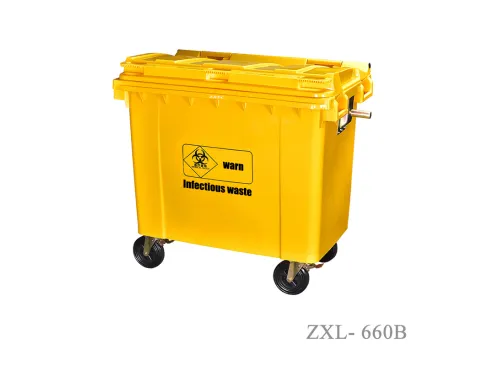
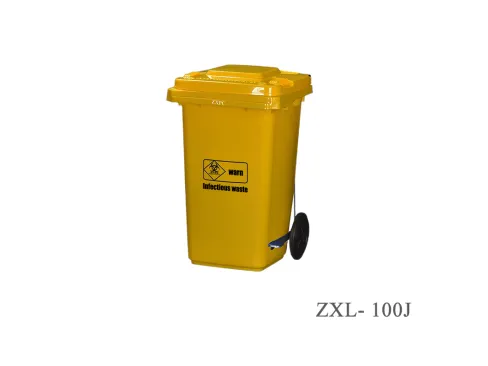
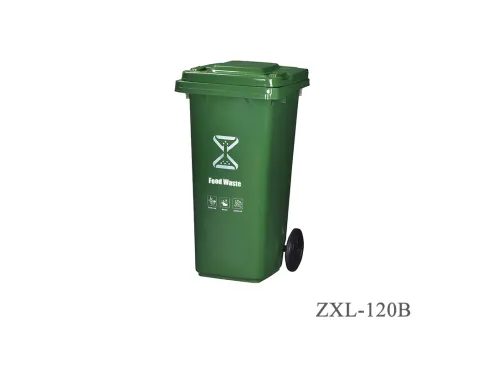
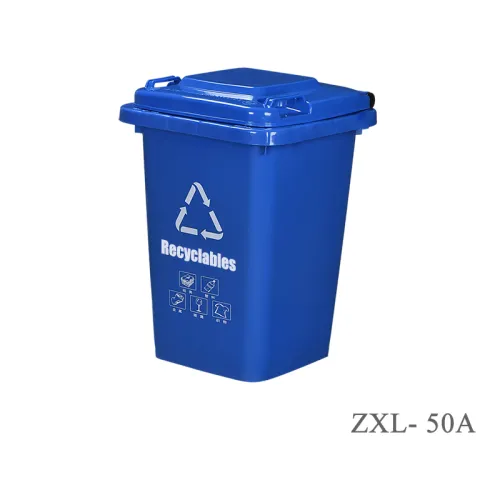
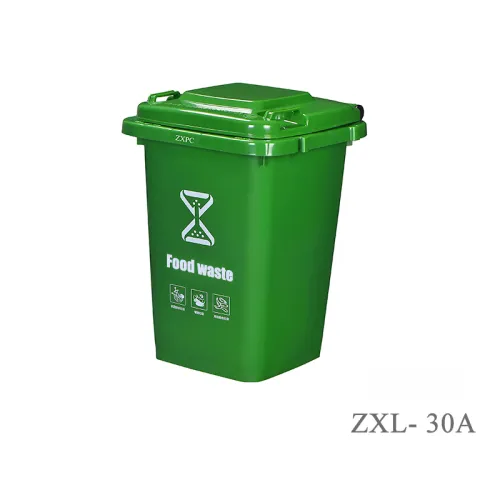
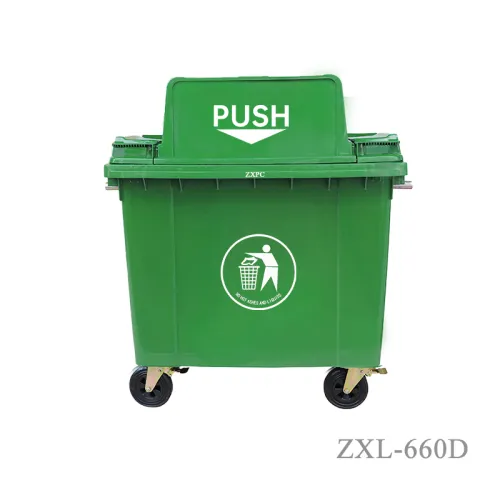
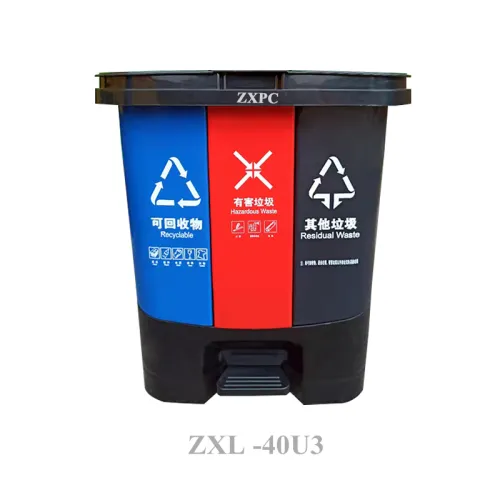
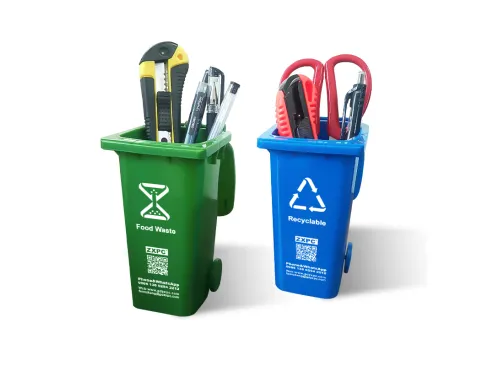
Wheelie bin OEM (Original Equipment Manufacturer) manufacturing is a detailed and precise process that ensures high-quality waste management solutions for various industries. Understanding the OEM process is essential for overseas buyers and distributors. The wheelie bin production involves several pivotal steps that optimize efficiency and maintain standards. These steps include design considerations, material selection, production methodologies, and logistical planning, which ultimately impact both production costs and product quality.
The OEM production process for wheelie bins typically consists of six key steps:
The first step in the OEM manufacturing process involves creating detailed designs based on market needs. Prototyping allows for adjustments and testing before full-scale production commences, ensuring that the final product meets both functional and aesthetic requirements.
Selecting the right materials is crucial for durability and functionality. Common materials for wheelie bins include HDPE (High-Density Polyethylene) due to its resilience to UV light, chemicals, and impact.
Production often utilizes rotational molding or injection molding techniques. These methods facilitate the mass production of wheelie bins while ensuring consistent quality across all units.
Post-molding, the assembly process includes adding wheels, lids, and handle fixtures. This stage is critical for functional integrity and user convenience.
Quality control measures are implemented at every stage to ensure that the bins meet stringent industry standards, including load tests and endurance testing.
After thorough quality checks, bins are packaged optimally for shipping. Logistics play a vital role in minimizing costs and ensuring timely delivery to overseas distributors.
Ensuring the quality of wheelie bins involves multiple strategies:
| Quality Metric | Benchmark | Current Output |
|---|---|---|
| Load Capacity (kg) | 300 | 320 |
| UV Resistance (hours) | 1000 | 1200 |
Understanding the cost structure is essential for buyers. The primary factors affecting costs include:
| Cost Factor | Percentage of Total Cost |
|---|---|
| Materials | 50% |
| Labor | 30% |
| Shipping | 20% |
Choosing OEM wheelie bins offers numerous advantages:
When considering an OEM partner, several factors are critical:
Understanding the OEM manufacturing process for wheelie bins is essential for overseas buyers and distributors aiming for quality and efficiency. With a clear grasp of the steps involved, quality control measures, cost factors, and partnership advantages, you can make informed decisions that fulfill your waste management requirements effectively. By aligning with a reliable OEM manufacturer like 2. Key Steps in OEM Production3, you ensure your business benefits from high-quality products tailored to your specifications.
A: When selecting OEM wheelie bins, consider customization options, material durability, production capabilities, and quality assurance protocols. Partnering with a manufacturer that has a proven track record can also significantly impact the efficiency and reliability of your waste management solutions.
A: Yes, OEM wheelie bins can be tailored to meet specific operational needs, including size, color, and additional features, ensuring that they align with your waste management processes.
A: The production of wheelie bins typically involves rotational molding or injection molding techniques, which ensure consistent quality and efficient mass production while reducing lead times.
A: The cost structure of OEM wheelie bins is primarily influenced by material costs (around 50%), labor costs (30%), and shipping expenses (20%). Understanding these factors can help in budgeting and making informed purchasing decisions.
A: Quality control in the OEM manufacturing process involves regular inspections, compliance with international safety standards, and continuous feedback loops that incorporate customer insights to make necessary production adjustments.