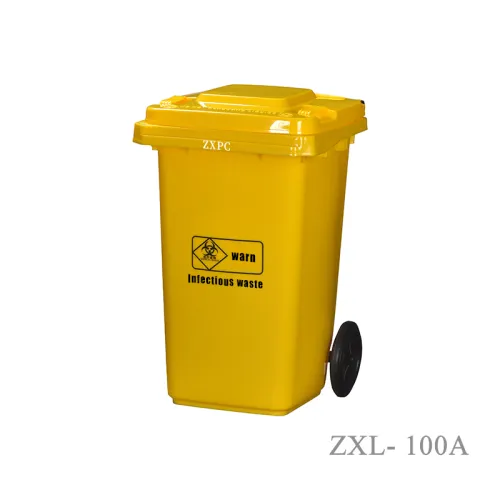
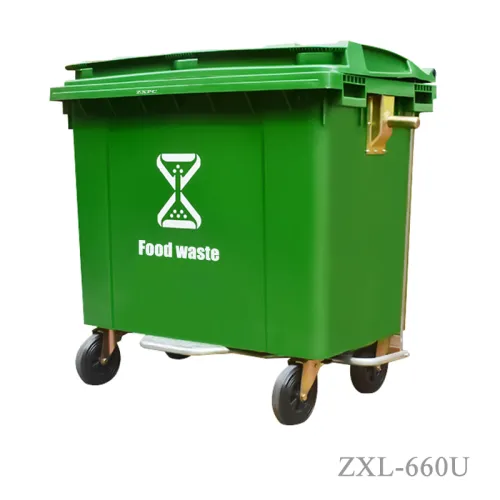
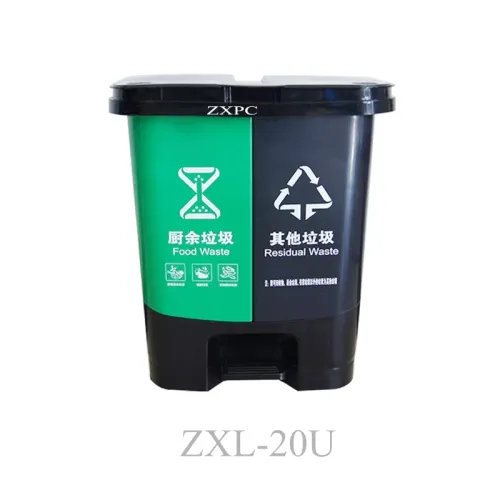
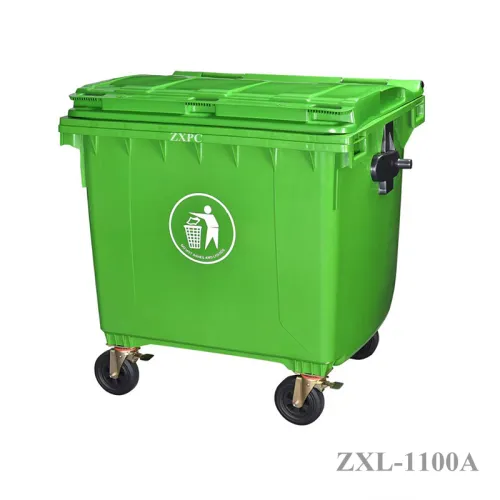
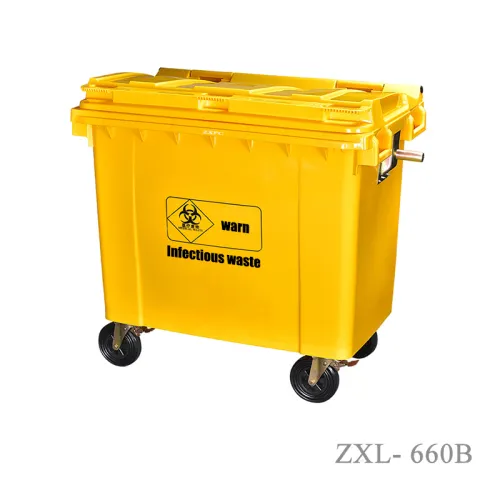
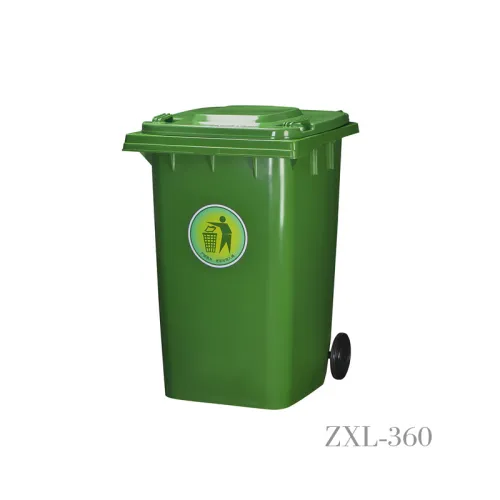
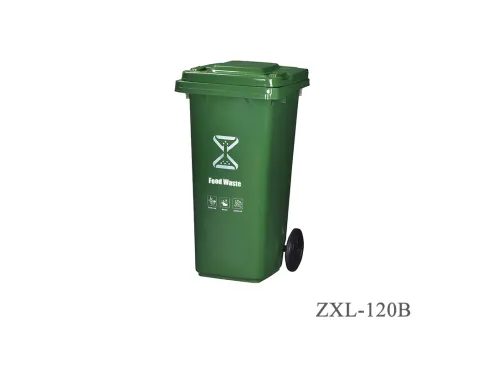
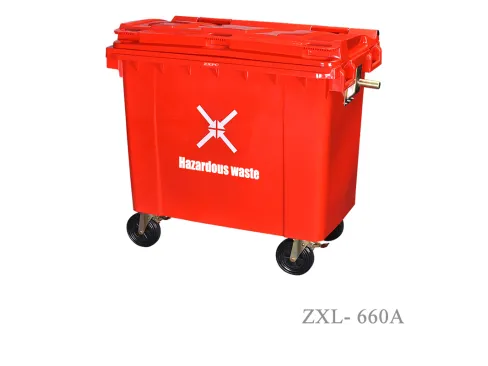
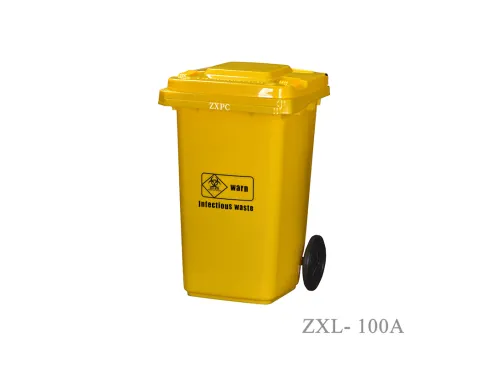
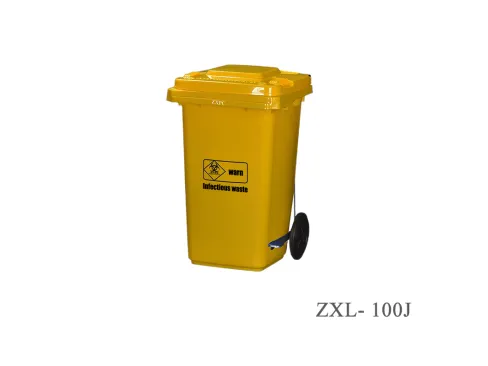
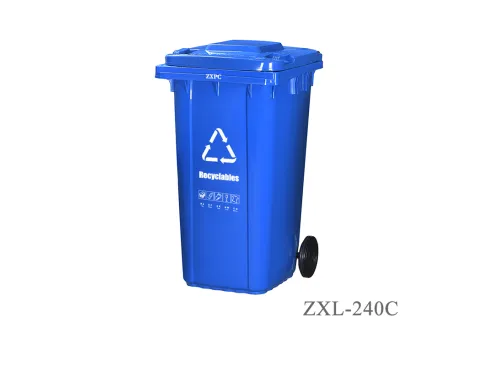
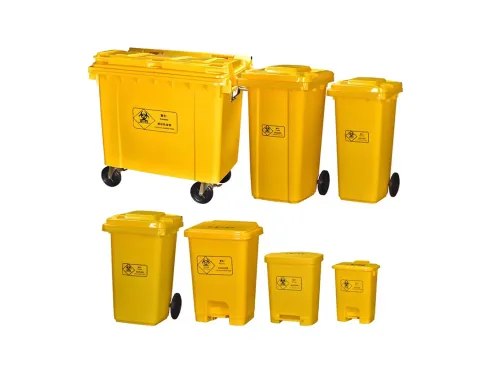
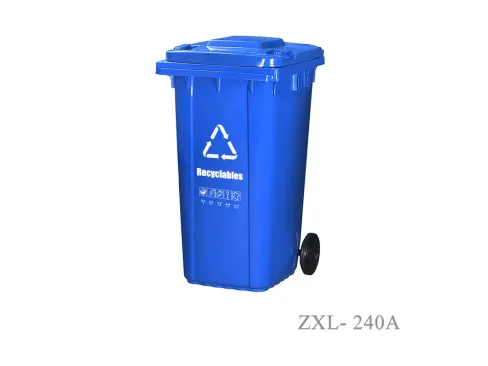
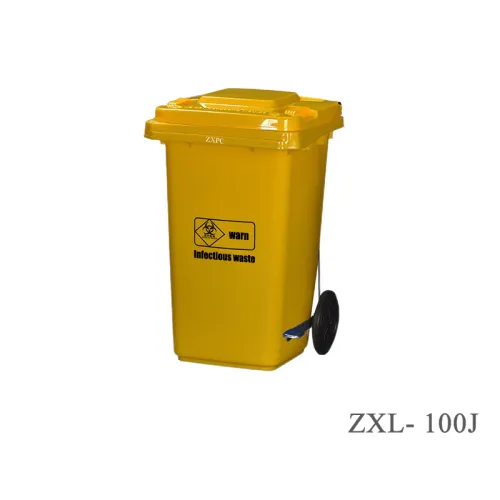
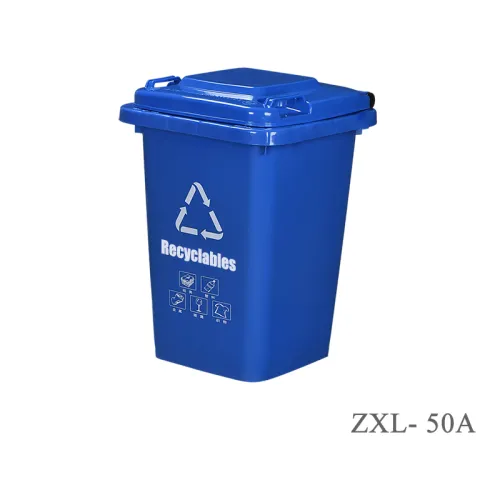
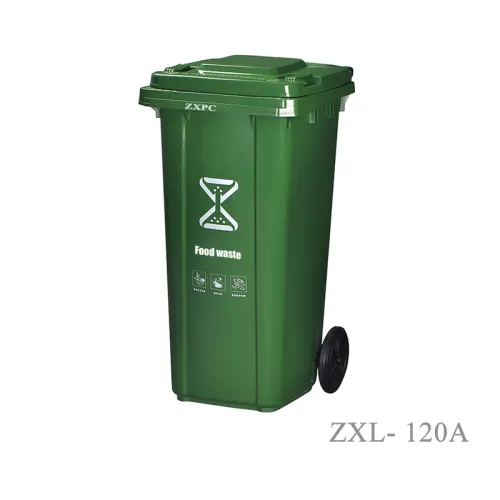
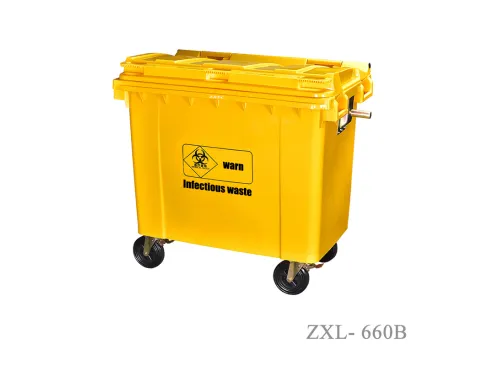
A wheelie bin, often seen on sidewalks and driveways, is a mobile waste container typically fitted with wheels to facilitate easy transport. These essential tools play a crucial role in municipal waste management, serving both residential and commercial needs. Understanding the life span of a wheelie bin is vital for optimizing waste disposal strategies and maintaining efficient workflows for businesses such as waste collection companies, urban planners, and local councils.
Historically, wheelie bins evolved in the late 20th century as communities sought environmentally friendly and practical solutions to waste disposal. Over the years, materials and designs have advanced, resulting in the robust and efficient wheelie bins we utilize today. Crafted from high-density polyethylene (HDPE), these bins are designed to withstand the rigors of weather and frequent use, boasting features that adhere to international quality standards such as ASTM D3350 for plastic materials.
In real-world applications, a wheelie bin’s longevity is significant for both environmental sustainability and cost efficiency. A well-maintained wheelie bin can last anywhere from 5 to 15 years, depending on various factors including usage frequency, maintenance, and exposure to harsh environmental conditions. Regular inspections and proper cleaning can significantly extend the life of these bins, ensuring they remain functional and presentable. For instance, businesses using wheelie bins for waste collection can reduce replacement costs and improve operational efficiency by implementing regular upkeep schedules.
However, several misconceptions circulate around the life span of a wheelie bin. One common error is assuming that all bins are created equal. In reality, quality varies widely based on construction material, manufacturing standards, and local conditions. Additionally, some individuals mistakenly believe that any bin can be used for any waste type. Understanding that specific bins are not suited for certain waste types, such as hazardous materials, can prevent premature degradation and costly replacements.
To illustrate this, consider the case of a community waste management project in a suburban area. By integrating a strategy that included educating residents on proper bin usage and care, the local council observed an impressive 30% increase in the average life span of their wheelie bins over three years. This positive change not only decreased costs but also enhanced the community's commitment to sustainable waste practices.
In summary, understanding the life span of a wheelie bin is essential for businesses engaged in waste management. With potential longevity ranging from 5 to 15 years, factors like usage patterns, maintenance practices, and local environmental conditions significantly impact durability. Addressing common misconceptions about wheelie bin usage and quality can lead to smarter purchasing and maintenance decisions. For businesses looking to extend the life of their wheelie bins, investing in quality products like those from ZXPC is a proactive step. By taking action today, organizations can promote better waste management practices and contribute to a more sustainable future. For more insights on wheelie bin care, explore dedicated resources and guides available in the industry.
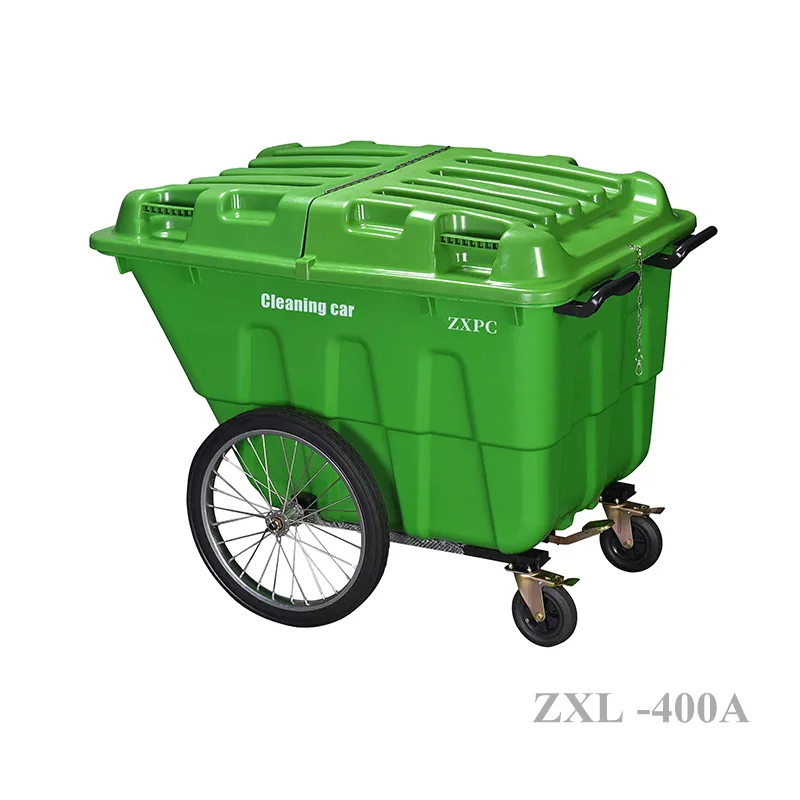
A: The lifespan of a wheelie bin is influenced by usage frequency, maintenance practices, and exposure to harsh environmental conditions. Regular inspections and cleaning can significantly extend their durability.
A: Wheelie bins are typically crafted from high-density polyethylene (HDPE), designed to withstand various weather conditions and frequent use, adhering to international quality standards like ASTM D3350.
A: A well-maintained wheelie bin can last between 5 to 15 years. Proper maintenance and using the right bin for appropriate waste types can enhance its longevity and reduce replacement costs.
A: We focus on producing high-quality wheelie bins designed for various types of waste. However, specific bins for hazardous materials must meet additional standards. Please inquire for specialized options.
A: Investing in high-quality wheelie bins can lead to cost savings through reduced replacement needs, enhanced operational efficiency, and improved waste management practices—essential for sustainable business operations.