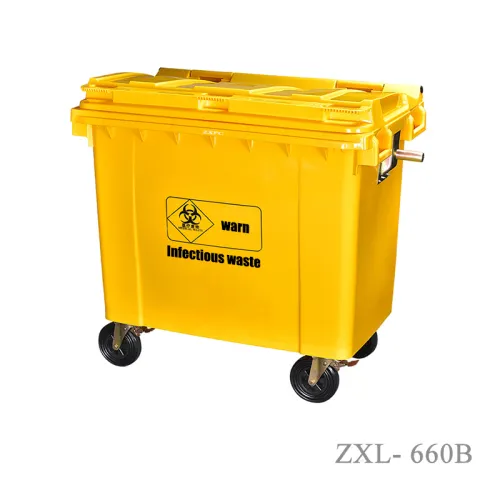
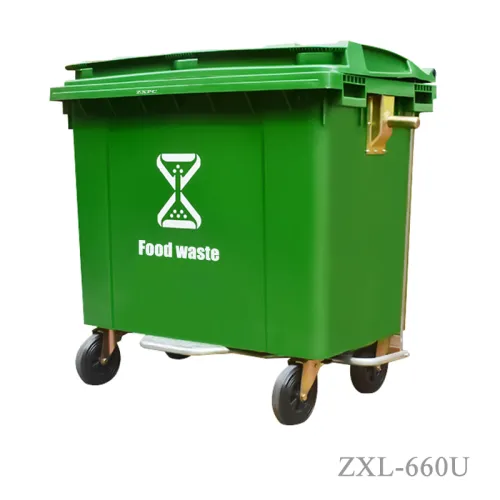
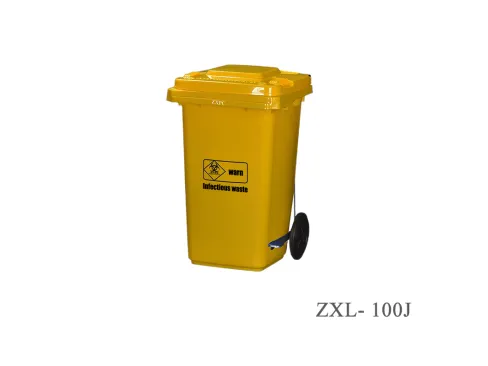
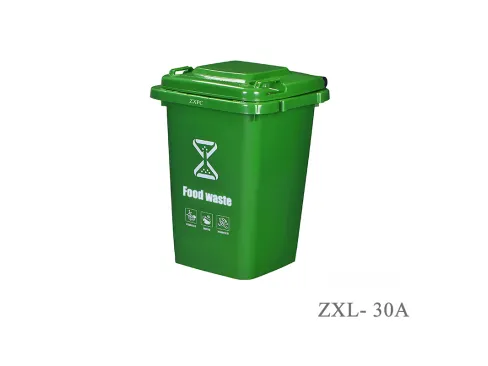
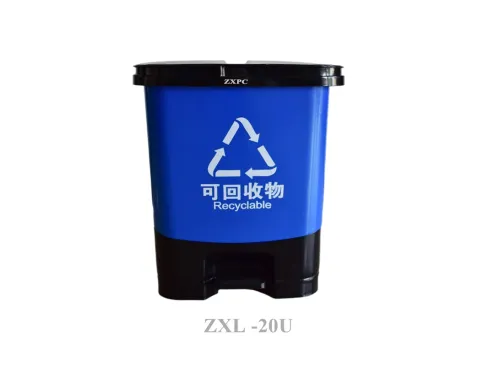
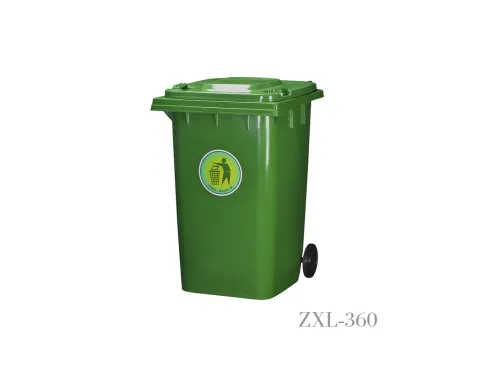
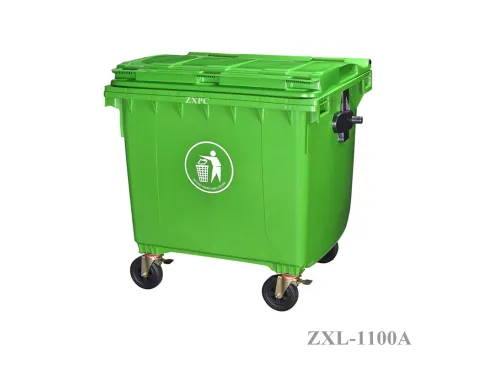
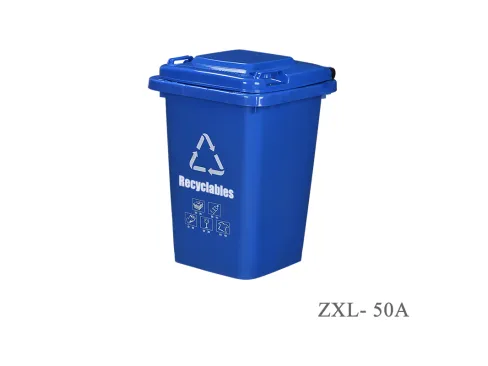
Begin by measuring the area where the bin will be placed. Consider the width, height, and depth available. Check for any obstructions that might limit the size or placement of your bin.
Determine what waste will primarily be collected (e.g., organic, recyclables, general trash). This will help you choose between single or multi-compartment bins.
Look for materials that withstand the elements if the bin is for outdoor use. Options include plastic, metal, and composite materials. Assess how easy it is to clean each type.
Your bin should complement your space. Choose colors and designs that blend with your surroundings or stand out, depending on your preference.
Estimate the volume of waste produced over a week. This will help you select a bin size that is neither too small nor excessively large. Consult waste management guidelines if necessary.
Ensure the bin fits comfortably in your chosen location. Avoid bins that are too bulky or have awkward shapes that hinder movement or access.
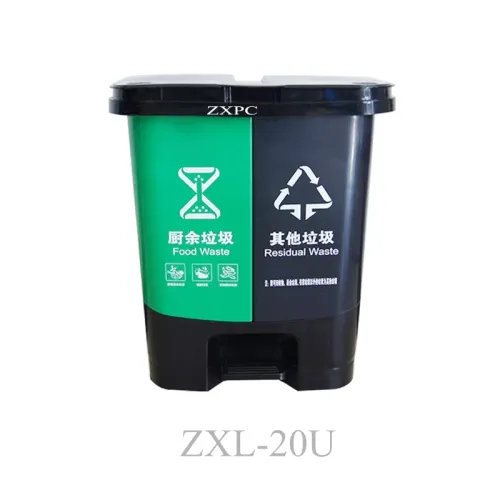
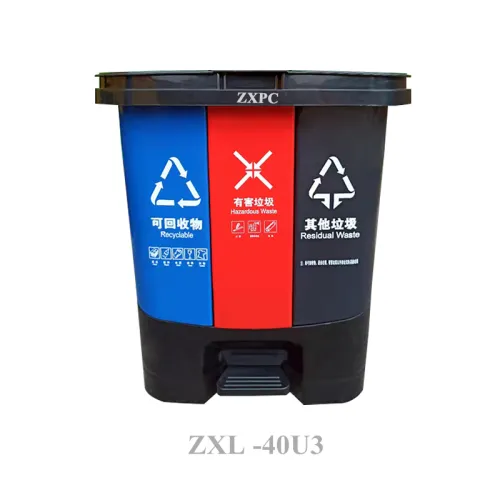
Consider bins with features such as foot pedals, motion sensors, or odor control. These can add convenience and cleanliness to your waste management process.
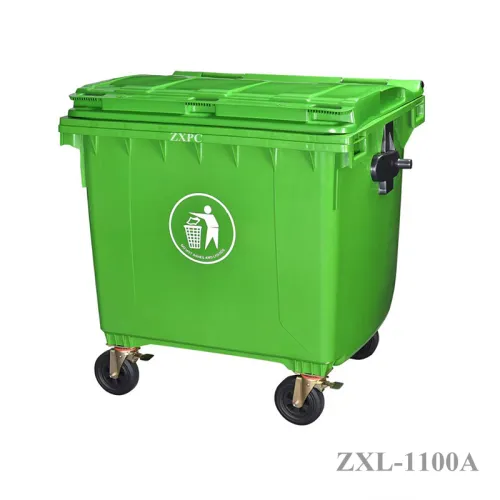
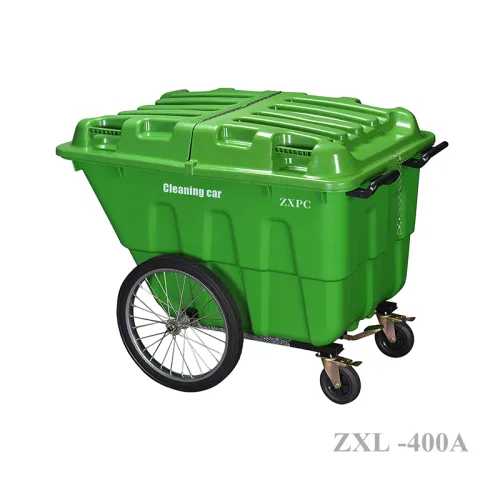
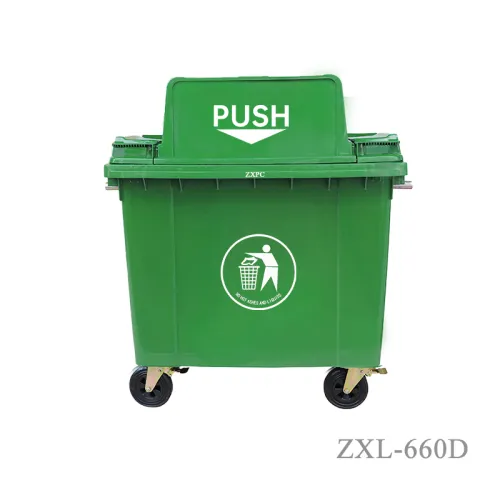
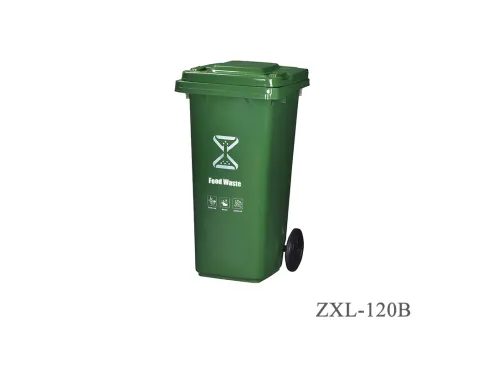
For larger bins, look for wheels or handles for easier maneuverability, especially if they will be frequently moved for collection.
Opt for bins made from recycled or biodegradable materials. This choice reflects a commitment to sustainable practices.
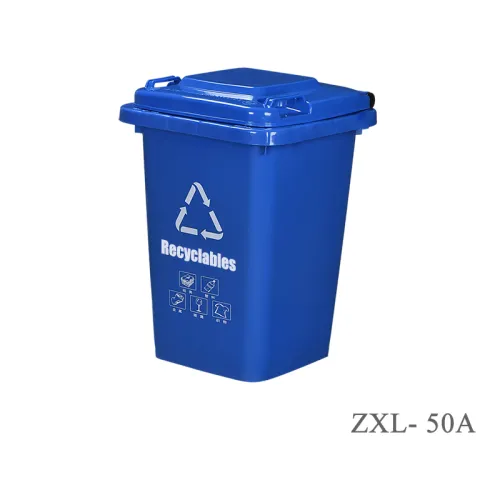
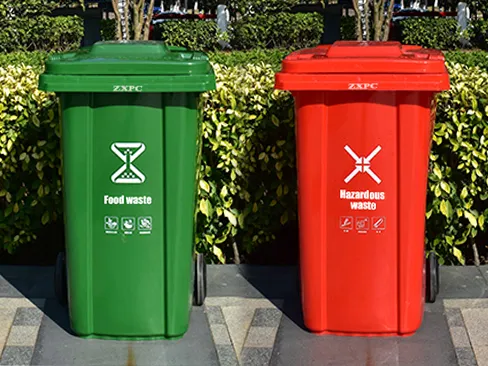
Make sure to choose bins that allow for effective waste sorting (recycling, compost, general), promoting better waste management.
Understanding local disposal rules is crucial. Check with local authorities about size restrictions and accepted waste types.
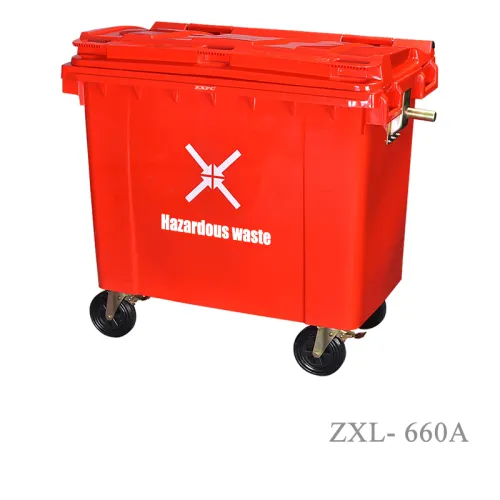
Your bin should have clear labels indicating what can and cannot go inside. This helps prevent contamination of recyclables.
Explore different brands and their product offerings. Look for customer reviews and feedback to gauge satisfaction and quality.
When making your choice, compare similar models based on price and features. Look for promotions or discounts to optimize your budget.
Take your time to select the right bin. Rushing can lead to poor choices that don’t meet your needs or space constraints.
Ensure that whatever bin you choose is easy to maintain. Regular cleaning and upkeep can prolong the lifespan of your waste bin container.
By following these steps, you can effectively choose a waste bin container that best suits your needs. At ZXPC, we offer a wide range of high-quality bins tailored to various requirements to help you manage waste efficiently. 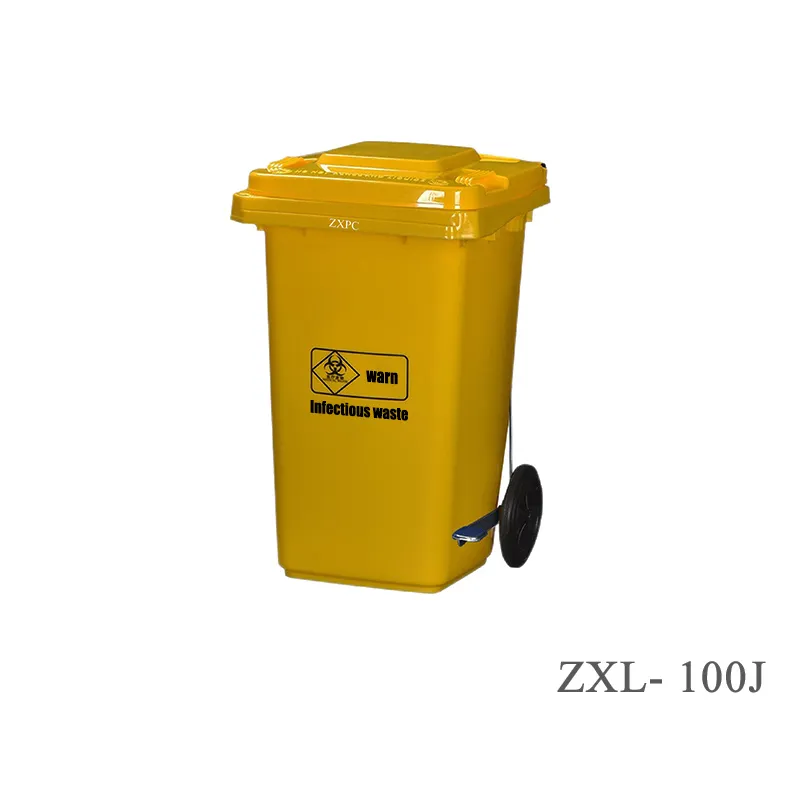 ZXPC Waste Bin Container">
A: Start by assessing the size and layout of the area, then identify your disposal needs. Consider materials for durability, aesthetic appeal, and ensure it meets local waste guidelines.
A: Estimate the volume of waste produced weekly and examine the bin's dimensions to ensure it fits comfortably in your chosen location without obstruction.
A: Look for bins with features like foot pedals, motion sensors, odor control, and mobility options such as wheels or handles, which can facilitate easier waste management.
A: Yes, you can opt for bins made from recycled or biodegradable materials, which reflect a commitment to sustainability and can help in effective waste sorting.
A: Familiarize yourself with local waste guidelines regarding size restrictions and accepted waste types, and ensure your bin has clear labeling for proper sorting.