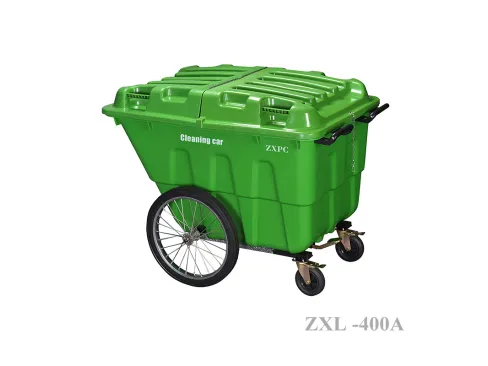
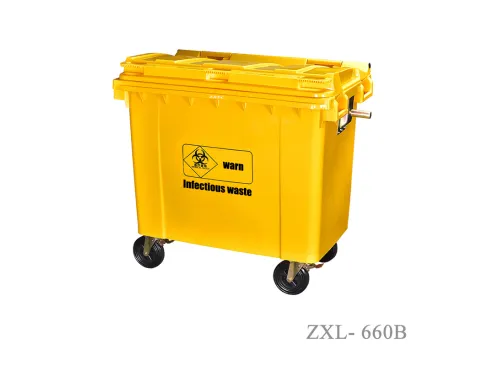
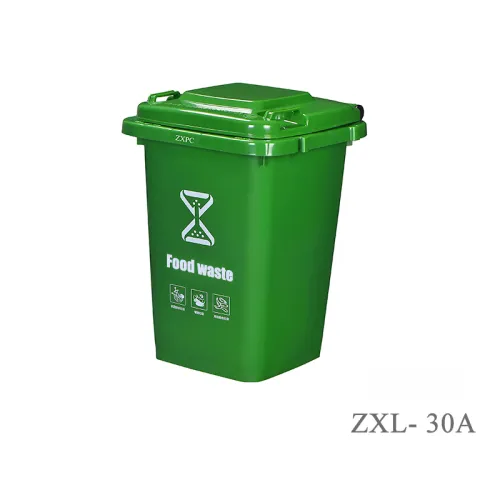
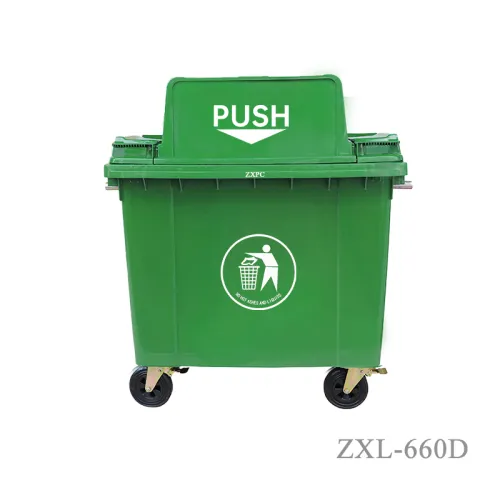
For homeowners, businesses, and municipalities alike, understanding the 240l wheelie bin is essential for effective waste management. Many often face challenges such as choosing the right size for their needs, ensuring compliance with local regulations, and maximizing waste disposal efficiency. With a 240L wheelie bin, you can store an estimated 100 kg of waste, making it suitable for medium-sized households and small businesses. This article addresses these common pain points while providing a detailed guide on how to make the most out of your 240L wheelie bin.
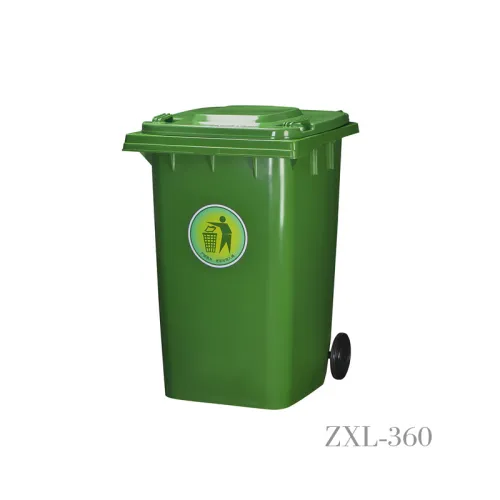
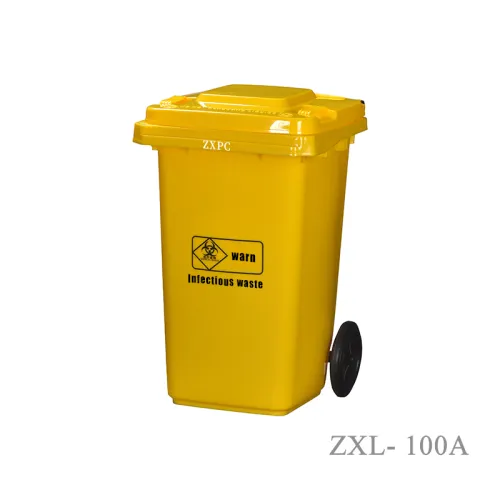
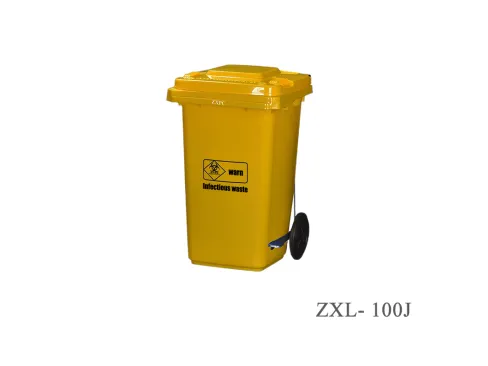
At its core, a 240L wheelie bin is designed to optimize your waste collection and recycling process. Generally made from high-density polyethylene (HDPE), these bins are durable, ensuring long-term use even in harsh weather conditions. The design incorporates two wheels for easy maneuverability, which has been shown to reduce strain during waste transport by up to 60%. This is particularly beneficial for elderly users or individuals with mobility issues.
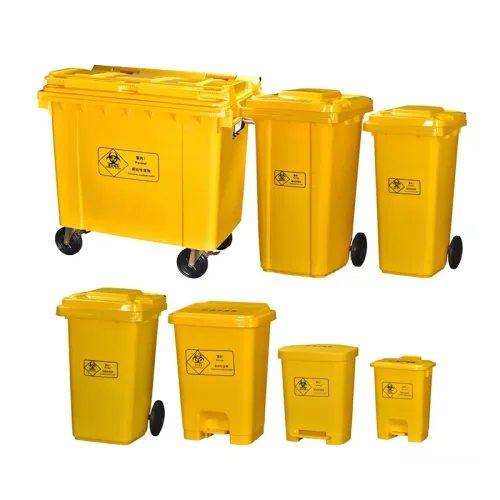
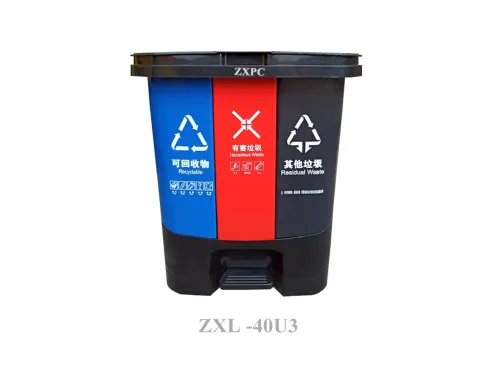
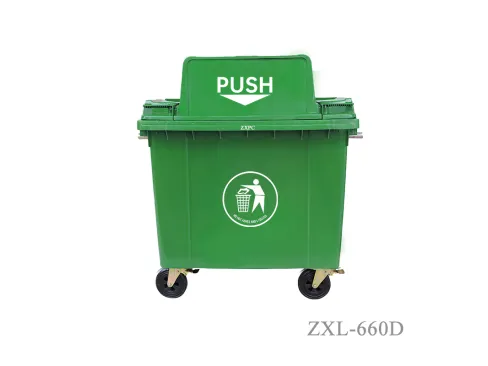
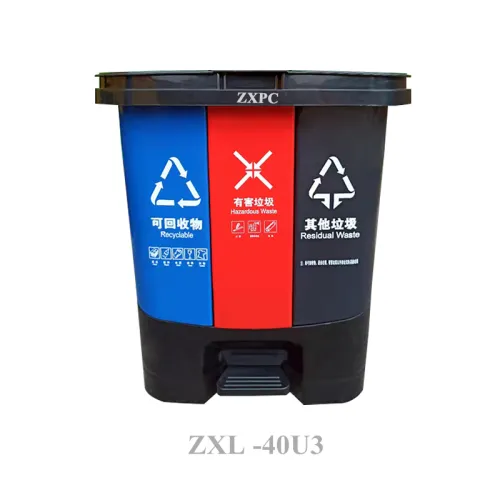
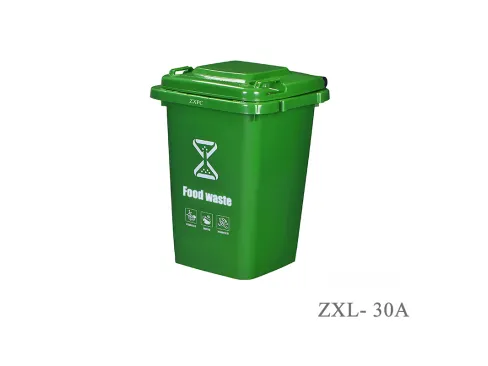
The 240L wheelie bin typically features a hinged lid that helps in keeping waste contained and odors at bay. In recent studies, it was found that proper waste containment can reduce pest attraction by approximately 40%. Additionally, bins are often color-coded based on waste type, such as green for organics and blue for recyclables, to facilitate easy sorting and adherence to local recycling regulations.
Let’s explore the primary components of the 240L wheelie bin. These include:
Now that we have a foundational understanding, let’s delve deeper into the specific steps involved in choosing, maintaining, and maximizing the utility of your 240L wheelie bin.
For advanced users, consider integrating your 240L wheelie bin into a broader waste management system. Smart bins that monitor fill levels and send alerts for pickup have shown improved efficiency levels of around 20%. This can be especially useful for larger organizations that generate high volumes of waste.
In conclusion, the 240L wheelie bin is an invaluable tool for efficient waste management, suitable for various users including homeowners and businesses. Brands like ZXPC offer reliable options with extensive features designed to enhance user experience. For personalized recommendations or more information on optimizing your waste disposal practices, feel free to contact ZXPC. You can also explore visual references at 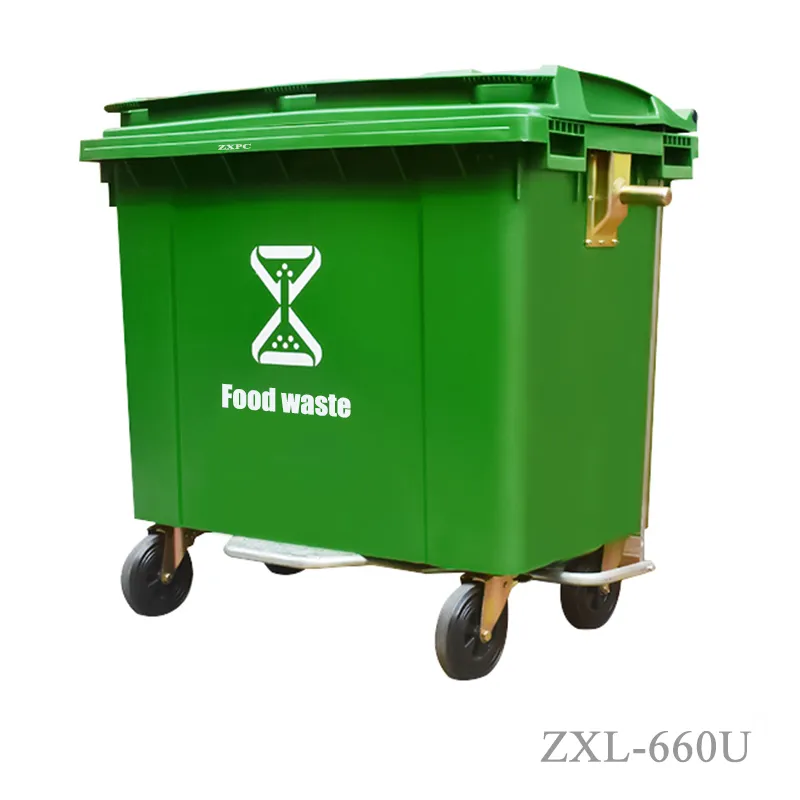 for a closer look at their product line. Act now to elevate your waste management game with the right bin size and features.
A: When choosing a 240L wheelie bin, consider its capacity of 240 liters, weight of about 15 kg, material durability (high-density polyethylene), and weather resistance (from -30°C to 80°C). Also, evaluate its design features like the hinged lid and color coding for waste sorting.
A: Before purchasing, check local waste management regulations regarding bin sizes and color-coding requirements. Many municipalities mandate specific colors for recyclables and general waste, which can impact your selection.
A: A well-maintained 240L wheelie bin can last several years. We recommend models with robust warranty plans, as they usually experience fewer issues, reducing replacement costs by approximately 30%.
A: Yes, a 240L wheelie bin is ideal for small businesses and medium-sized households, accommodating around 10-12 standard kitchen bags and approximately 100 kg of waste, making it suitable for regular waste generation.
A: Regular clean-outs every three months are recommended to prevent odors and pests. Using vinegar solution can help reduce bacterial growth, thereby minimizing decay odors by up to 50%.