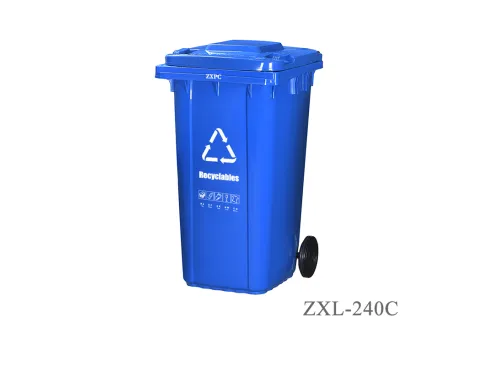
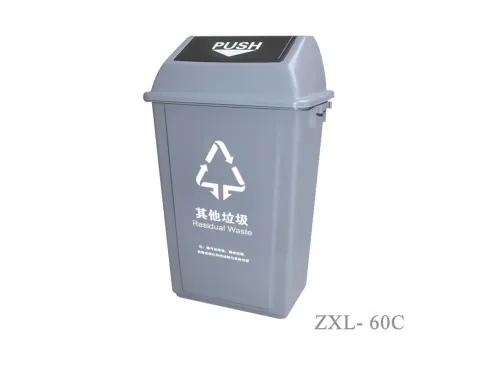
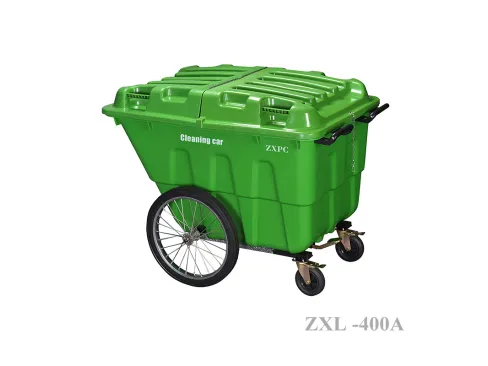
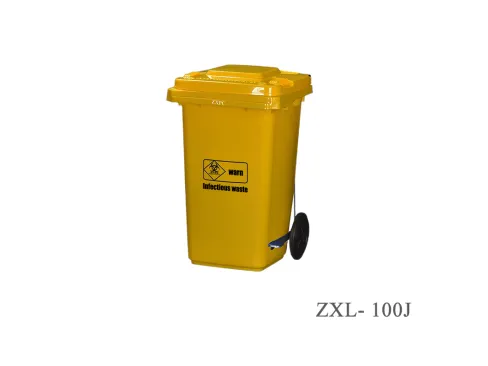
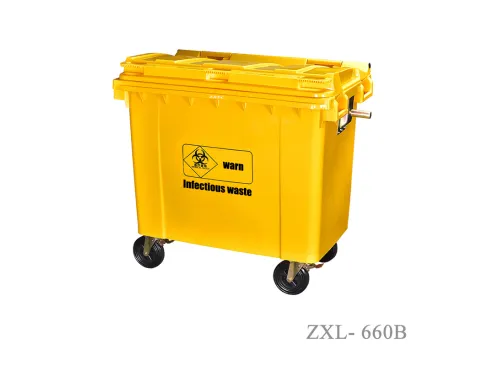
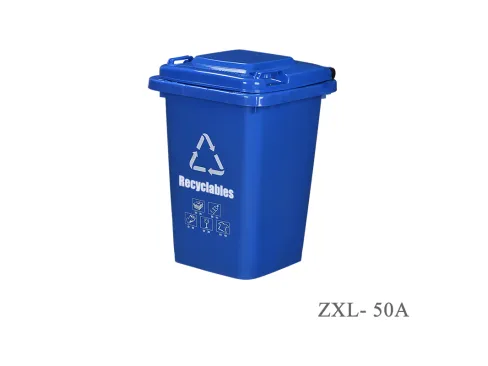
In today’s rapidly evolving landscape of waste management, waste bin companies find themselves at a crossroads where innovation meets regulation. As urbanization increases and environmental consciousness rises, the demand for efficient waste disposal solutions has surged. By 2026, new bin rules are expected to be implemented, significantly affecting how waste bin companies design and distribute their products. These regulations address pressing pain points—such as overcrowded landfills and inadequate recycling methods—forcing companies to adapt to a framework that promotes sustainability. By incorporating innovative designs and materials, waste bin companies can play an essential role in promoting effective waste segregation and management.
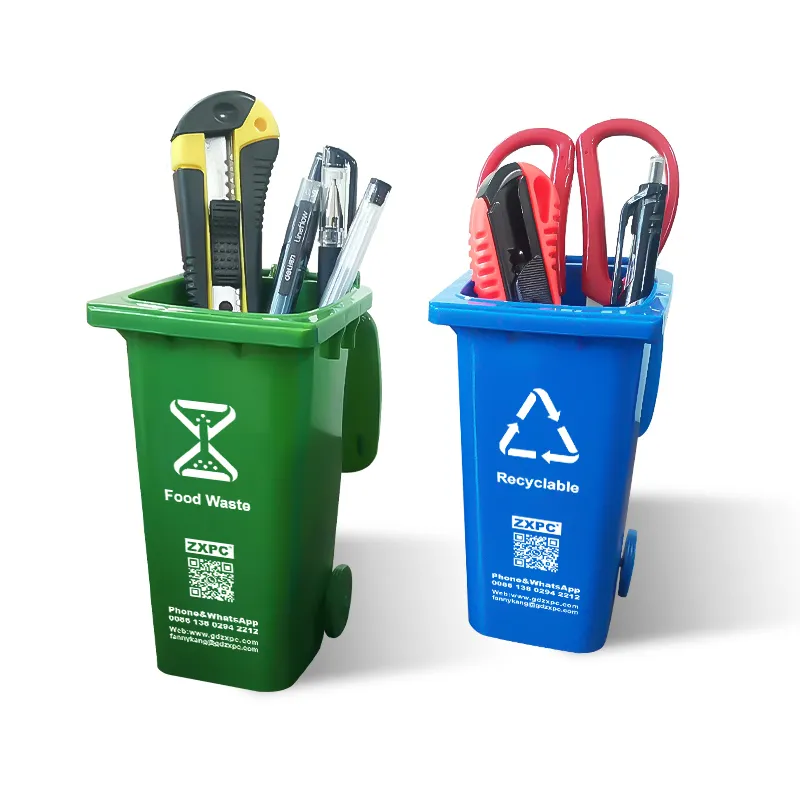
A waste bin is more than just a container; it serves as a crucial component in waste management systems. In industry parlance, terms like “source separation” and “single-stream recycling” are becoming common as these bins evolve to meet regulatory requirements. Source separation refers to the practice of separating different types of waste materials at their origin. This kind of segregation enables efficient recycling processes and helps reduce landfill overflow. According to the National Waste & Recycling Association, implementing source separation strategies can lead to a 30% increase in recycling rates.
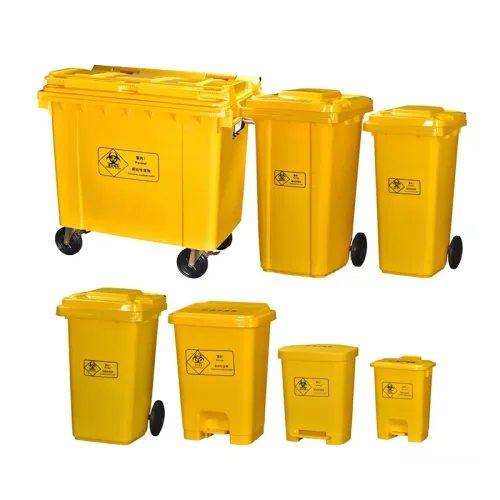
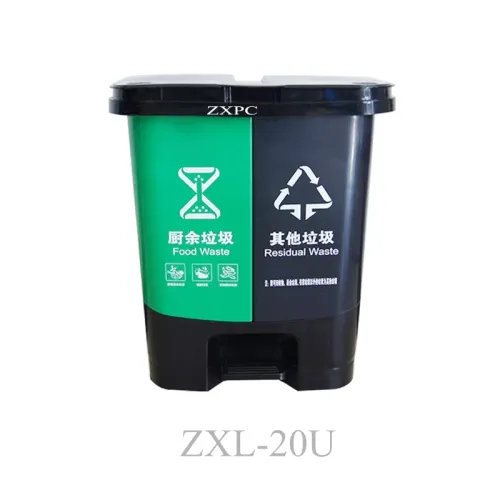
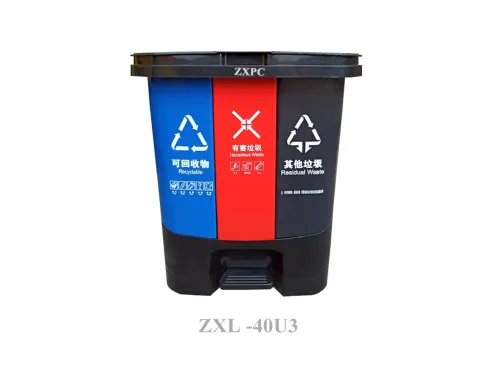
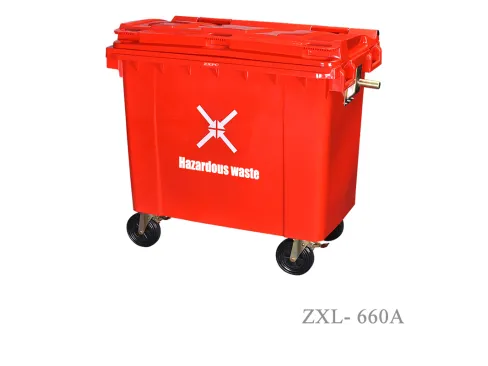
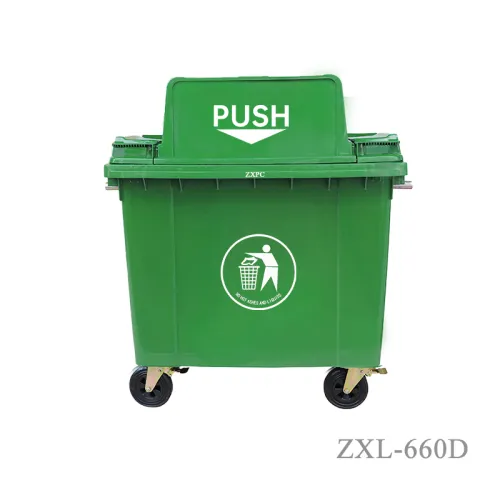
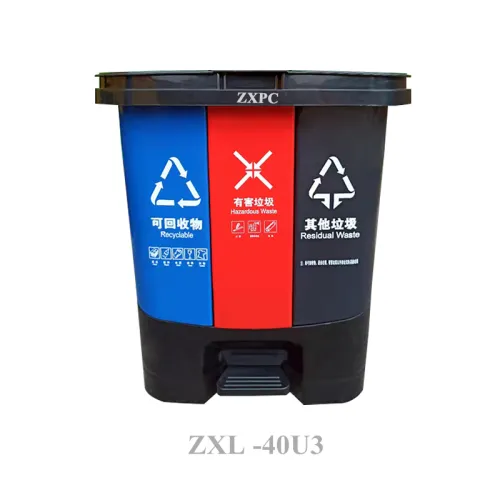
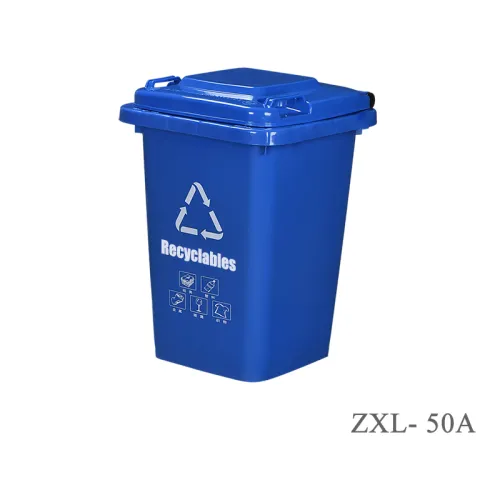
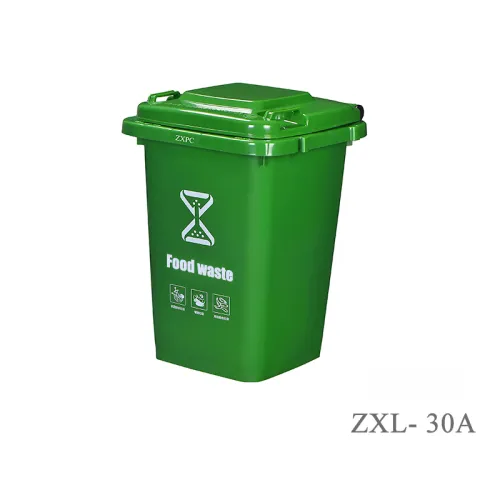
Waste bin companies serve a diverse array of sectors. From urban residential areas to commercial establishments, educational institutions, and even event venues, the application of waste bins is ubiquitous. In urban settings, color-coded bins aid residents in proper disposal and recycling, while businesses often deploy specialized bins for hazardous and electronic waste. Furthermore, public events have increasingly adopted waste bins designed to enhance recycling efforts, supported by studies showing that well-placed bins can increase participation in recycling programs by over 47%.
The importance of innovative waste bin designs cannot be overstated, particularly in light of upcoming regulations. First, they significantly improve recycling rates, which has been shown to bolster community sustainability efforts. In fact, municipalities that have implemented comprehensive recycling programs using properly designed bins have witnessed a reduction in landfill waste by as much as 15%. Second, these bins often incorporate durable materials, extending their lifespan and reducing the need for constant replacements—cutting costs for waste management organizations. This durability is reflected in performance metrics: bins made from recycle-resistant materials can last for over five years, compared to traditional options that may need to be replaced after just two.
As waste bin companies adapt to changing regulations and consumer expectations, it’s crucial for stakeholders to stay informed. Reading the user guides and regulatory frameworks surrounding waste disposal will equip both companies and customers with the necessary information to make informed decisions regarding waste management solutions. Familiarize yourself with ZXPC, a leader in waste disposal innovation, to explore further materials and designs that comply with the incoming 2026 rules.
The new legislation aims to streamline waste sorting processes, encourage recycling, and minimize landfill usage. Bins will need to be designed for specific types of waste and display clear labeling for user guidance.
Proper waste disposal helps to reduce environmental impact, conserve resources, and enhance public health. By minimizing waste sent to landfills, we can significantly reduce harmful emissions and promote sustainability.
You can contribute by using recycling bins correctly, participating in local clean-up events, and advocating for better waste management practices within your community.
By understanding these dynamics, waste bin companies can not only ensure compliance with upcoming regulations but also deliver effective solutions to enhance waste management practices. For further information or to explore product offerings, visit ZXPC today.
A: When selecting waste bins, consider factors such as the type of waste they will collect, durability, size, and compliance with regulatory labeling requirements. Choosing bins designed for source separation can also enhance recycling efforts.
A: The 2026 regulations emphasize the need for clear labeling and specific designs for different waste types. Ensure your bins meet these requirements to improve waste sorting and recycling efficiency in urban settings.
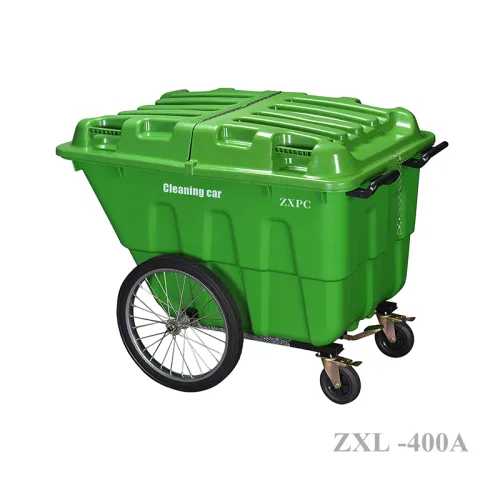
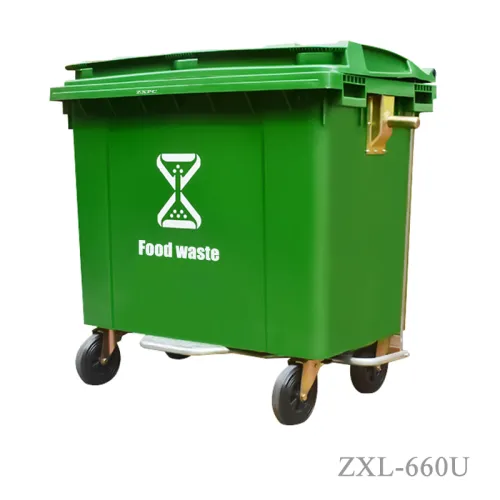
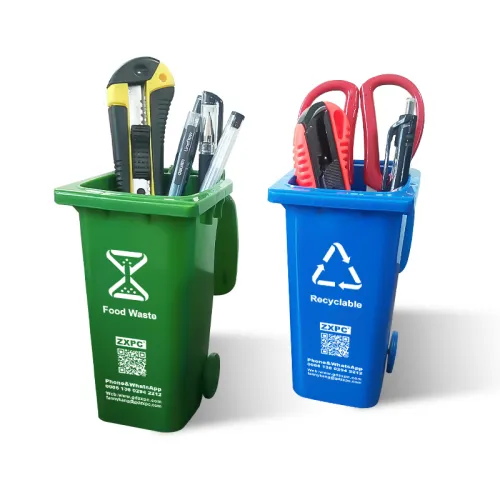
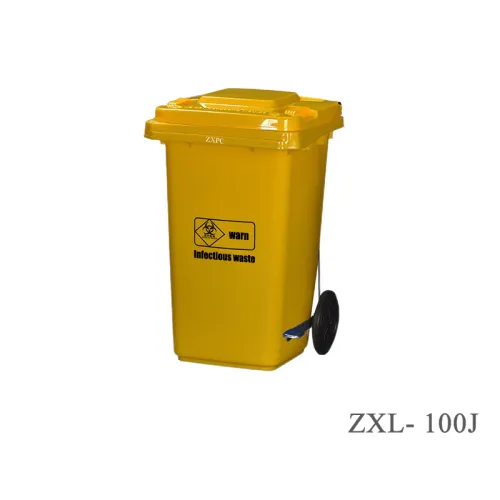
A: ZXPC provides a range of waste bins including color-coded recycling bins, specialized containers for hazardous waste, and bins designed for public events, all aimed at improving waste management efficiency.
A: Yes, innovative designs using durable materials can extend the lifespan of bins and reduce replacement frequency, leading to lower operational costs and higher recycling rates.
A: You can explore our product offerings and their compliance features by visiting our website or contacting our sales team for detailed specifications and regulatory adherence information.