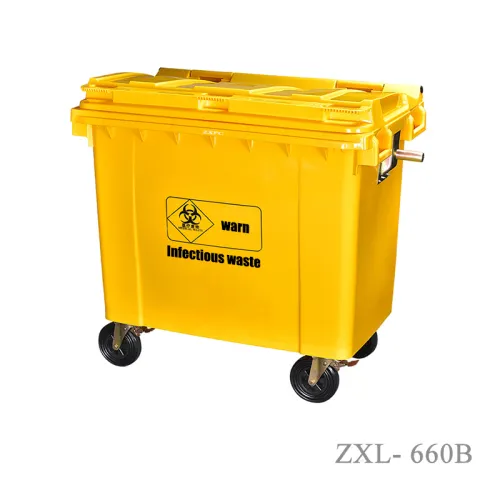
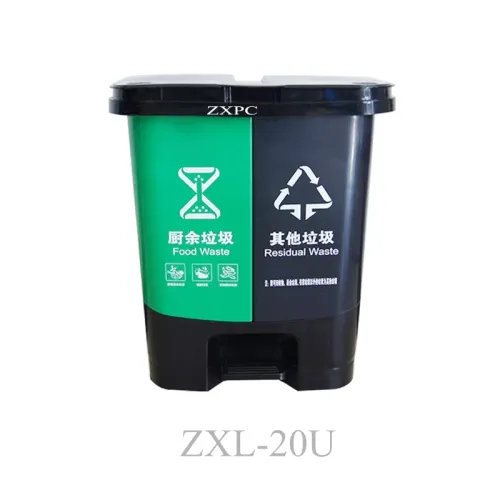
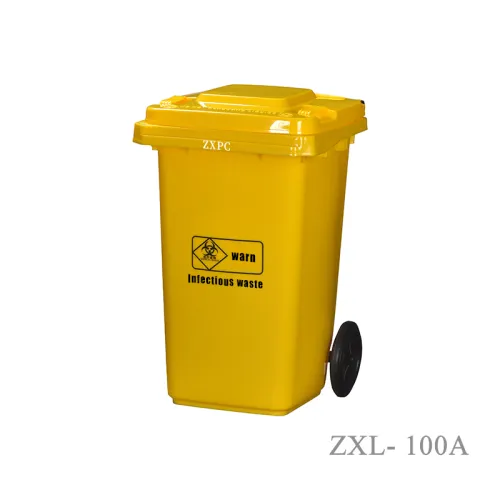
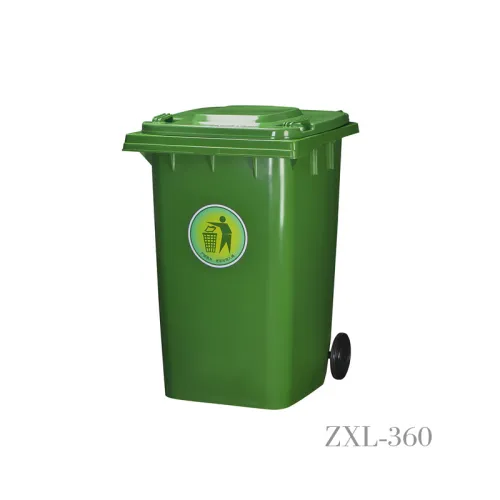
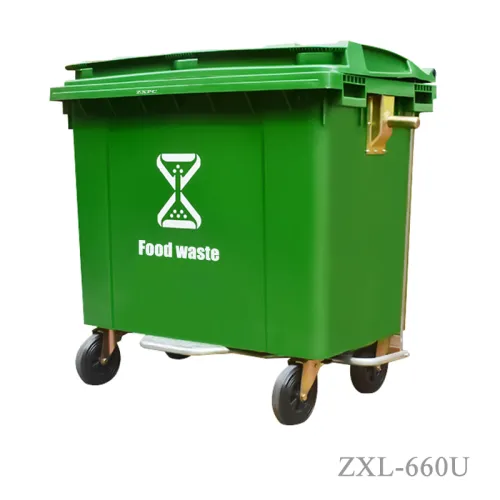
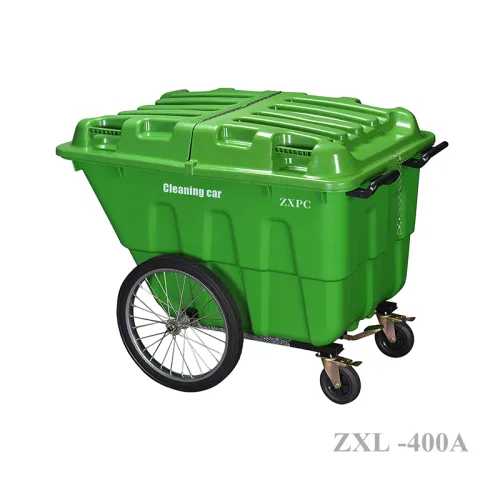
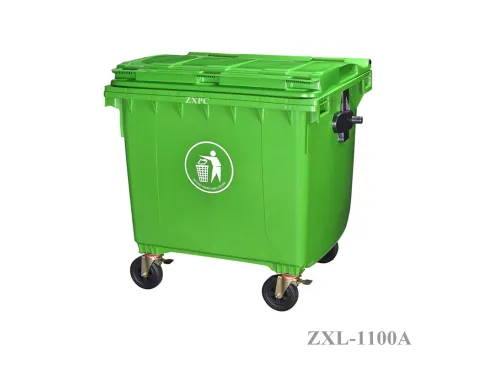
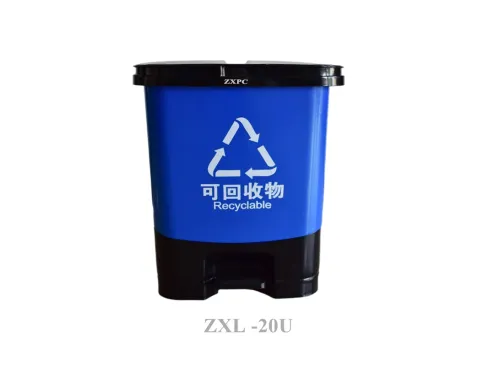
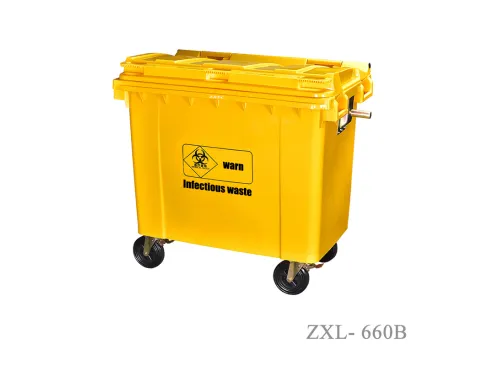
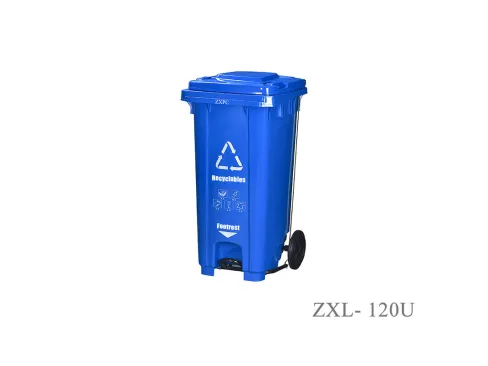
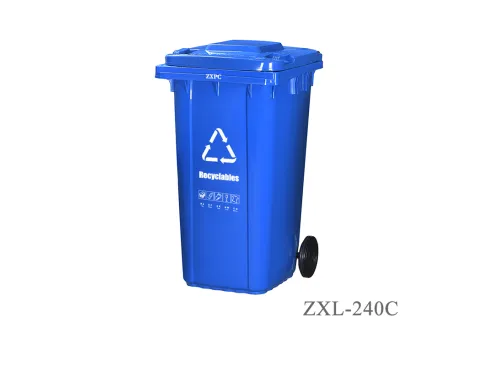
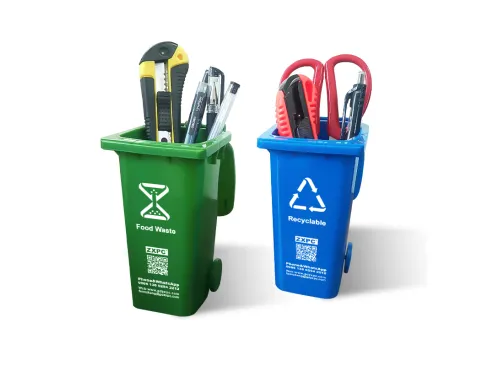
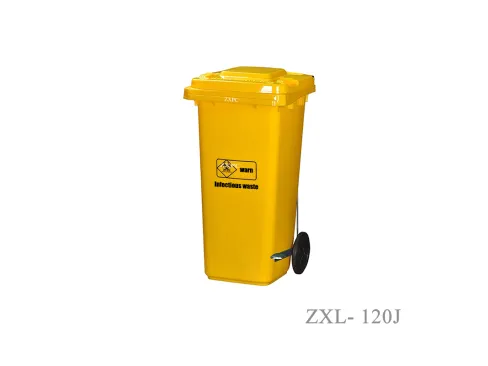
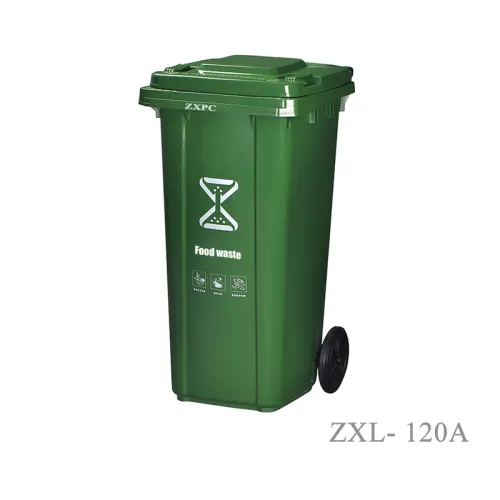
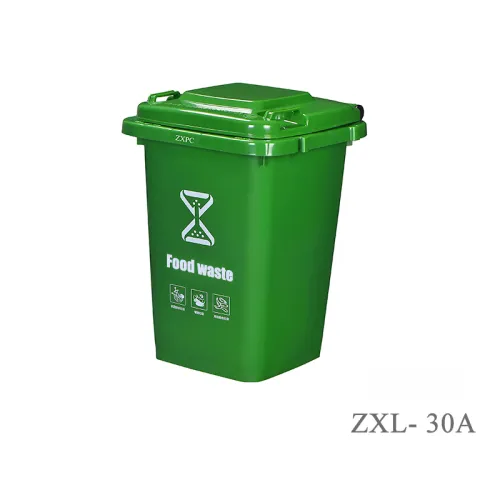
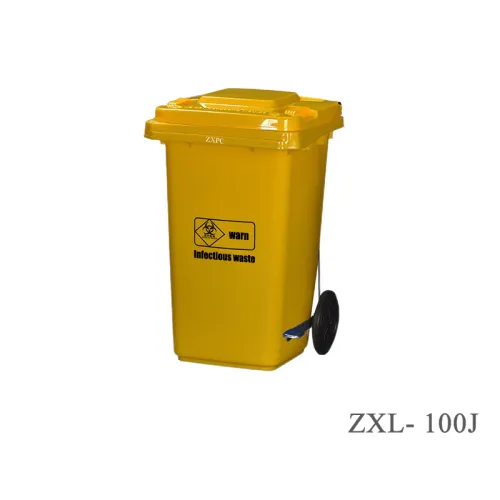
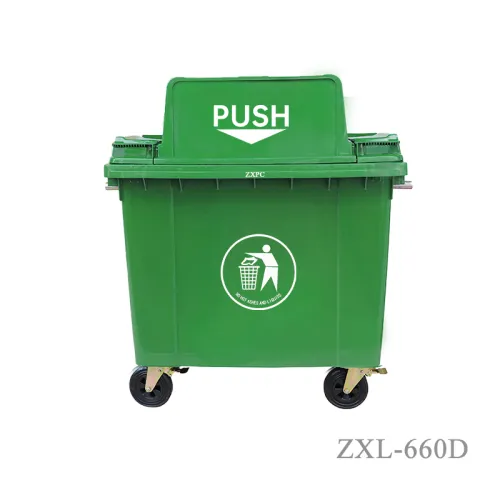
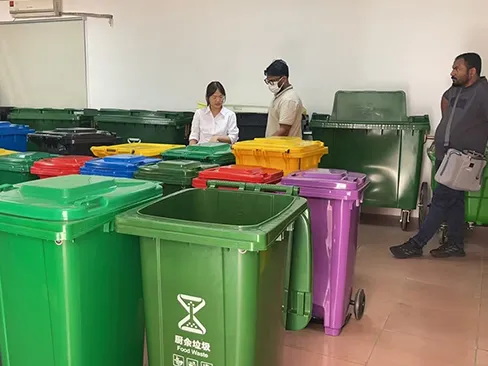
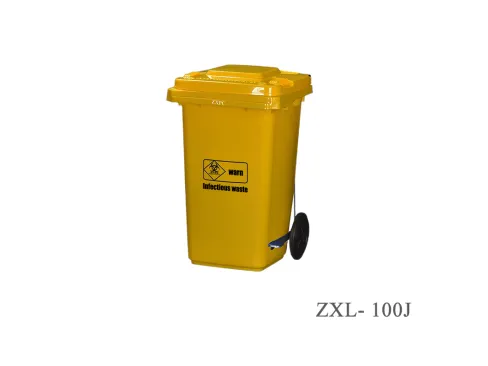
When it comes to selecting the right waste bin size, individuals often face challenges that stem from improper assessments of their needs. Whether you’re a homeowner trying to declutter your space, a business owner responsible for waste management, or a facility manager in need of efficient solutions, selecting the wrong bin can lead to overflow issues, frequent emptying, and increased costs. Companies like ZXPC provide a variety of waste bin options, but understanding your specific requirements is critical to avoid waste overflow, frequent trips to the dump, and missed space optimization. This guide aims to equip you with actionable insights to make an informed decision on bin size.
The first step in selecting the correct bin size is understanding the volume and type of waste you generate. Studies indicate that the average household produces about 4.4 pounds of waste per person per day, leading to a significant accumulation if not managed properly. On the other hand, businesses, depending on their industry, can generate waste ranging from 25% to 75% more than this average. Before selecting a bin, it’s beneficial to assess the following:
Consider the story of Sarah, a small café owner in Kansas. Initially, she opted for a 15-gallon bin for her establishment, not realizing that with her increasing customer base, the bin would overflow every few days. This necessitated additional costs for waste pickup. After analyzing her needs, she switched to a 30-gallon bin, which reduced pickup frequency by 50% and ultimately saved her $100 a month in waste management fees.
Conversely, Tom, a family of four, discovered after months of frustration that his 32-gallon bin was too large. He found himself throwing away items that could have been composted or recycled. He transitioned to a 20-gallon bin which not only encouraged them to recycle more effectively but also resulted in a 25% reduction in their waste output.
Before you proceed with selecting a bin, gather the following:
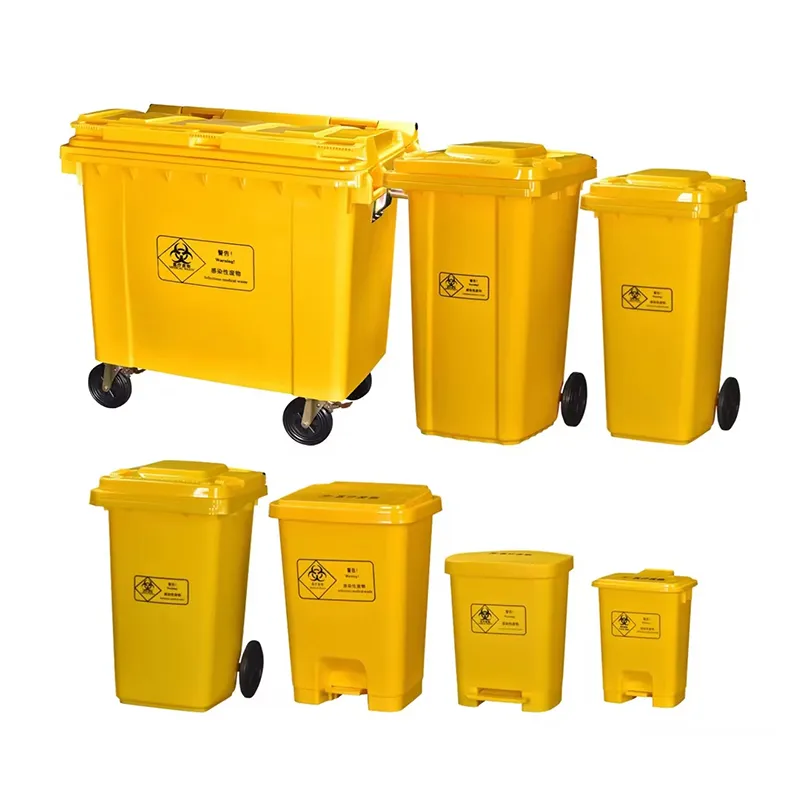
Choosing the wrong bin size can lead to several issues. Here are some common errors and how to avoid them:
Selecting the correct bin size is more than just a matter of aesthetics; it significantly impacts waste management efficiency. By understanding your waste generation patterns and needs, measuring your available space, and selecting the right type and size of bin, you can optimize your waste management strategy. ZXPC offers versatile options suitable for various needs, ensuring efficiency and cost-effectiveness.
A 20-gallon to 32-gallon bin is generally adequate, depending on how much waste your family generates weekly.
This depends on your waste volume; weekly pickups are typical for households, while businesses may require more frequent pickups depending on their waste generation.
It is advisable to use separate bins for recyclables, organic waste, and general trash to comply with waste management regulations and practices.
A: When choosing a waste bin for your business, assess the type and volume of waste generated, understand the waste disposal frequency, and measure available space to ensure the bin fits appropriately.
A: Yes, ZXPC offers specialized bins for recycling and organic waste, helping you manage different waste types effectively and comply with waste management regulations.
A: For a family of four, a bin size between 20 to 32 gallons is generally suitable, depending on your household's weekly waste generation. Tracking your waste over a week can help make a precise decision.
A: Common mistakes include overestimating your needs by choosing a too-large bin, ignoring the type of waste, and neglecting accessibility. Analyze your actual waste data and space before making a selection.
A: The frequency of waste pickup depends on the bin size and your waste volume. Households typically require weekly pickups, while businesses may need more frequent collections based on their waste generation.