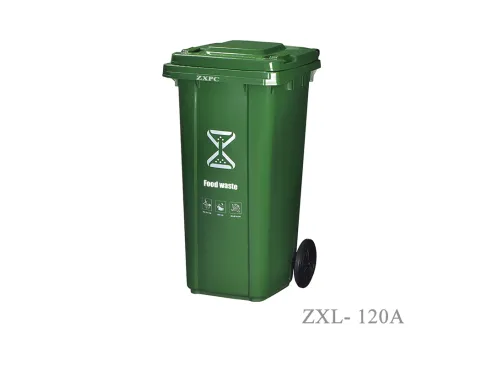
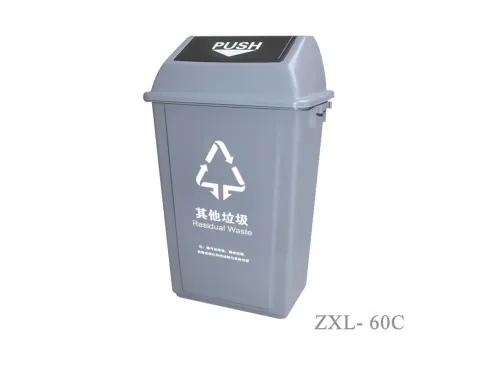
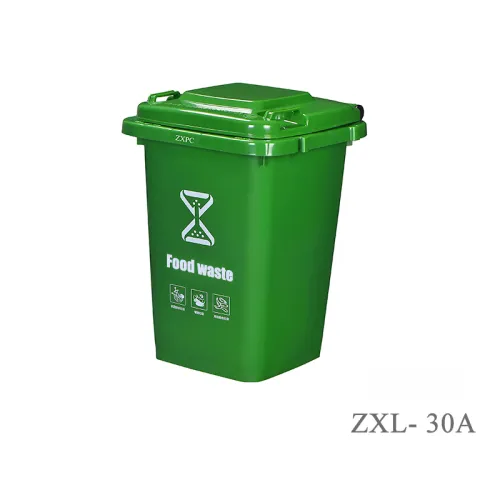
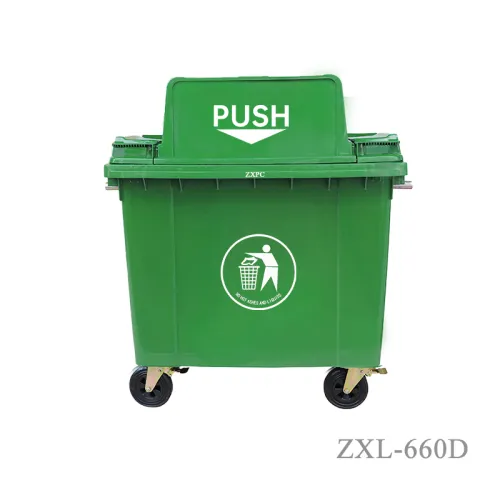
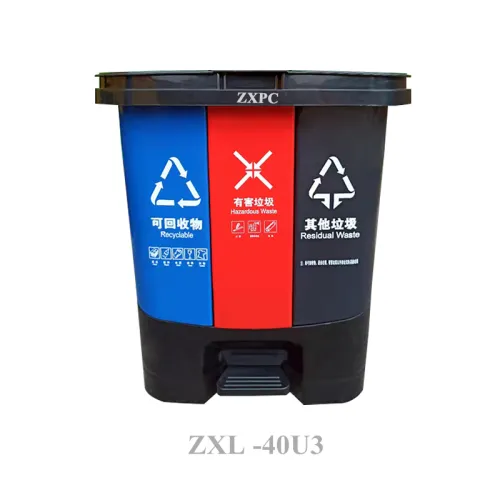
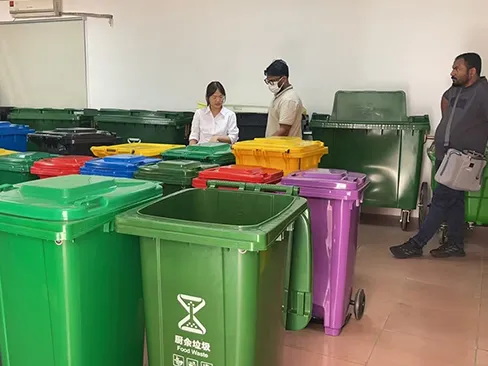
OEM, or Original Equipment Manufacturer, refers to companies that design and manufacture products that can be marketed under another brand's name. This model allows companies to market products without investing heavily in manufacturing capabilities and product development.
ODM, or Original Design Manufacturer, goes a step further by not only manufacturing products but also engaging in product design and development. With this approach, companies can rely on ODMs for both innovative design and manufacturing, leading to a more streamlined process.
| Parameter | OEM | ODM |
|---|---|---|
| Design Responsibility | Client-driven | Manufacturer-driven |
| Customization Level | Moderate | High |
| Cost | Typically higher due to brand demands | Generally lower due to integrated solutions |
| Speed to Market | Longer due to design process | Faster, as designs are pre-developed |
The duration of battery life in electric wheelie bins varies significantly between OEM and ODM products. Generally, ODM models tend to be designed with optimized energy efficiency in mind, allowing for longer operational times. Meanwhile, OEM bins may not prioritize this factor unless specified by the brand.
Users report that ODM wheelie bins often exhibit superior durability due to advanced materials and designs that are tested rigorously in various environments. In contrast, OEM bins may sometimes feel less stable, depending on the manufacturer's adherence to quality standards set by brand partners.
OEM solutions are typically best suited for established companies that prioritize brand identity and have the resources to invest in custom designs. These companies often seek to control the entire product experience closely.
Conversely, startups and companies looking for cost-effective solutions may benefit from ODM wheelie bins. The faster product development timeline and reduced costs facilitate entry into competitive markets.
In conclusion, companies in the waste management sector, like ZXPC, can leverage this comparison of OEM and ODM wheelie bins to make informed decisions that align with their operational needs and business objectives. Understanding the nuances of each approach enables better product selection and enhances service delivery.
A: OEM wheelie bins are client-driven in design and generally offer moderate customization with higher costs. In contrast, ODM wheelie bins provide manufacturer-driven designs, allowing for high customization and typically lower costs.
A: ODMs are generally more cost-effective for startups, offering rapid product development timelines and reduced costs compared to OEM solutions, which often involve higher branding costs and longer lead times.
A: To ensure quality, consider partnering with reputable ODM manufacturers known for rigorous testing and quality controls in their production processes. Researching customer reviews and product certifications can also help.
A: Consider your brand identity, budget, and timeline. Established companies may prefer OEM for greater control over design, while cost-conscious startups might opt for ODM for quicker market entry.
A: For bulk order estimates, please contact our sales team directly. They can provide detailed pricing based on your specifications and required quantities.